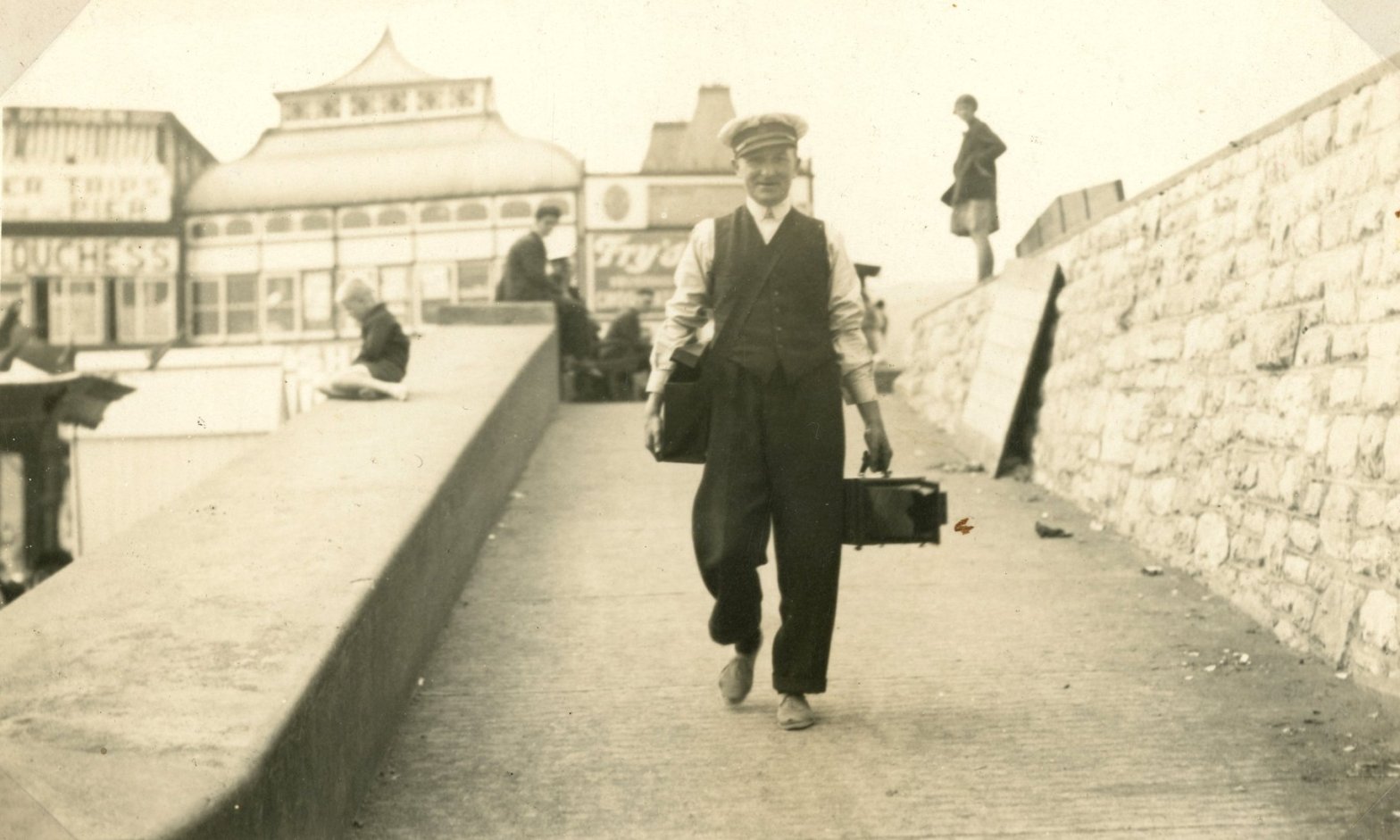
This is a much belated follow up to a post made almost two years ago. That was about Samuel Poole who pioneered commercial photography in Teignmouth and established his family business here around 1859. This lasted for almost 50 years during which time other Victorian photographers came and went. Photographic technology continued to evolve and following the First World War new developments and techniques made photography more accessible to the general public and created opportunities for new photographic businesses.
After that post I was contacted by Tom Walker who told me the story of his grandfather, Reginald Reuben Walker, who set up one of those businesses. This is Reginald’s story as written by Tom:
Reginald Reuben Walker was born in 1885 and christened in the village of Church near Accrington in Lancashire, his father was Thomas Walker, a railway guard on the Furness Railway and his mother, Jane Walker (nee Wharton). He had five brothers and a sister and the family lived in Barrow-in-Furness.
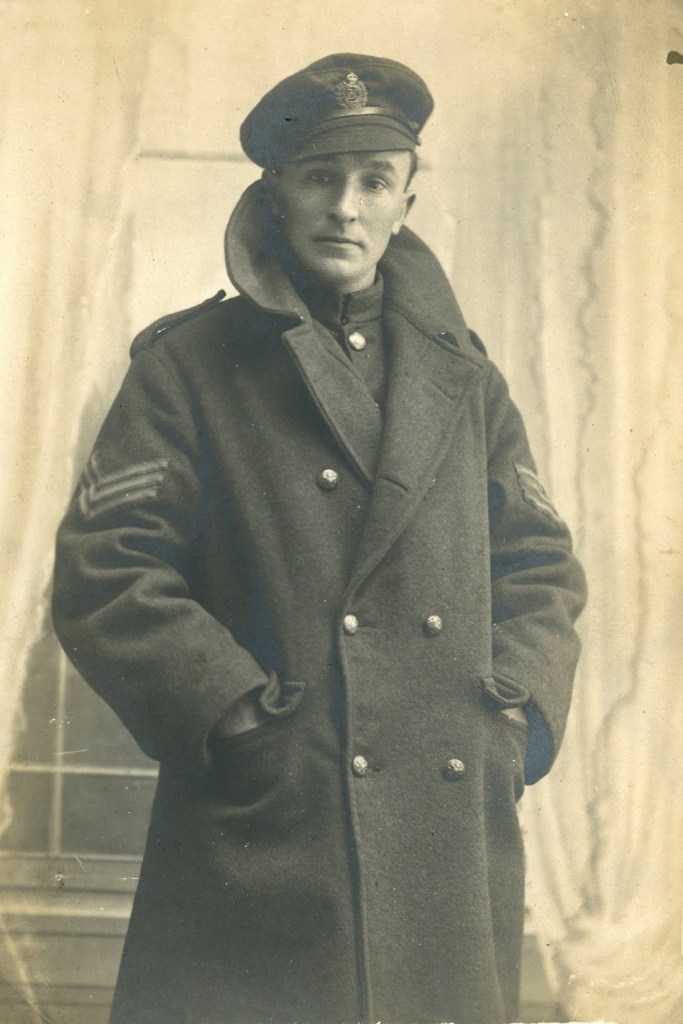
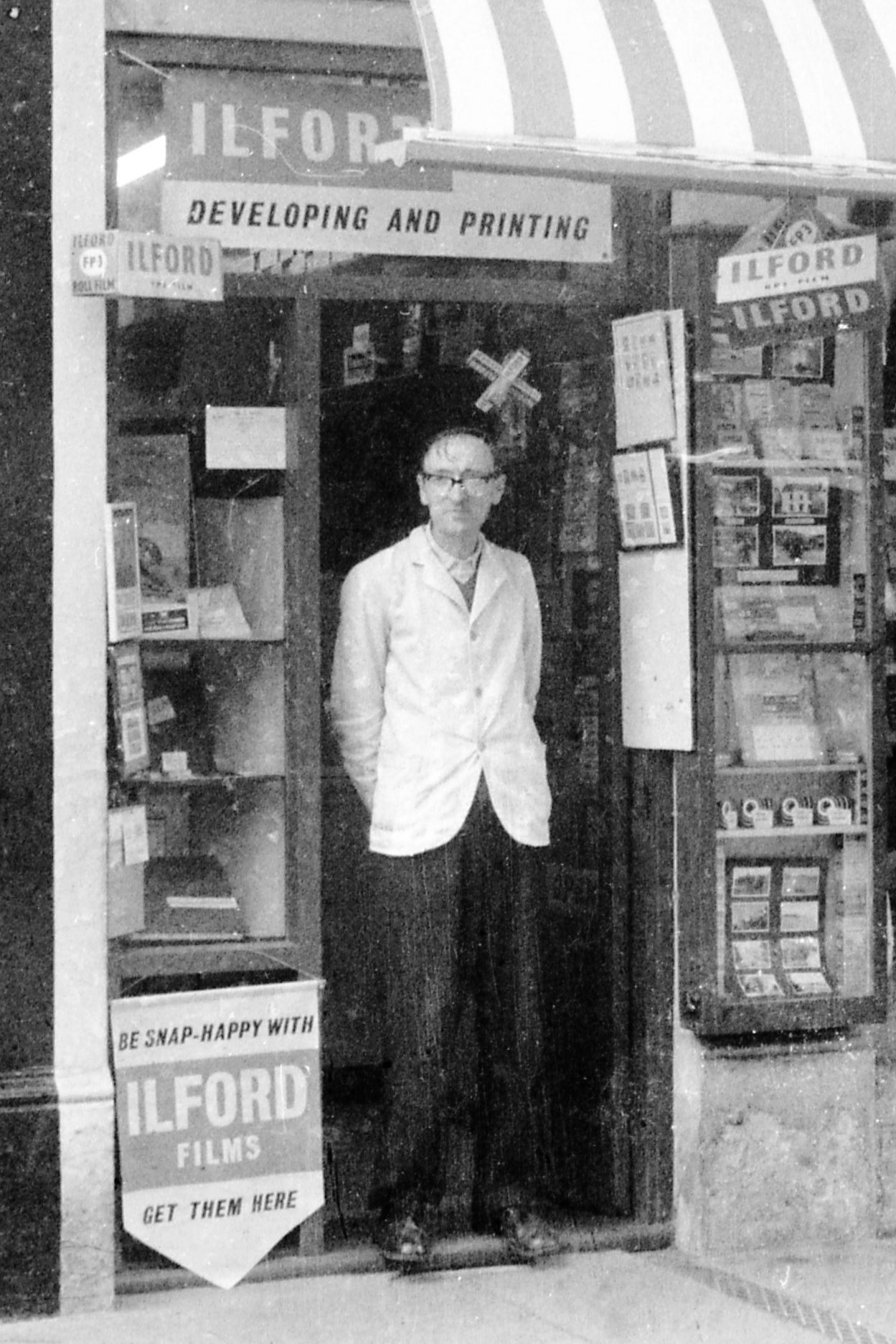
In 1911, Reginald was married to Beatrice Mary Baker in Margate, where the family had a photographic business. By this time both his father and Beatrice’s are recorded as deceased. At some time Reginald ‘emigrated’ to New York with his wife, but this appears to have been for a short period as they had returned by the end of 1914, when he was recorded as being a Sapper in the Royal Engineers. Photographs indicate that he was promoted to Sergeant by the end of the First World War. [1]
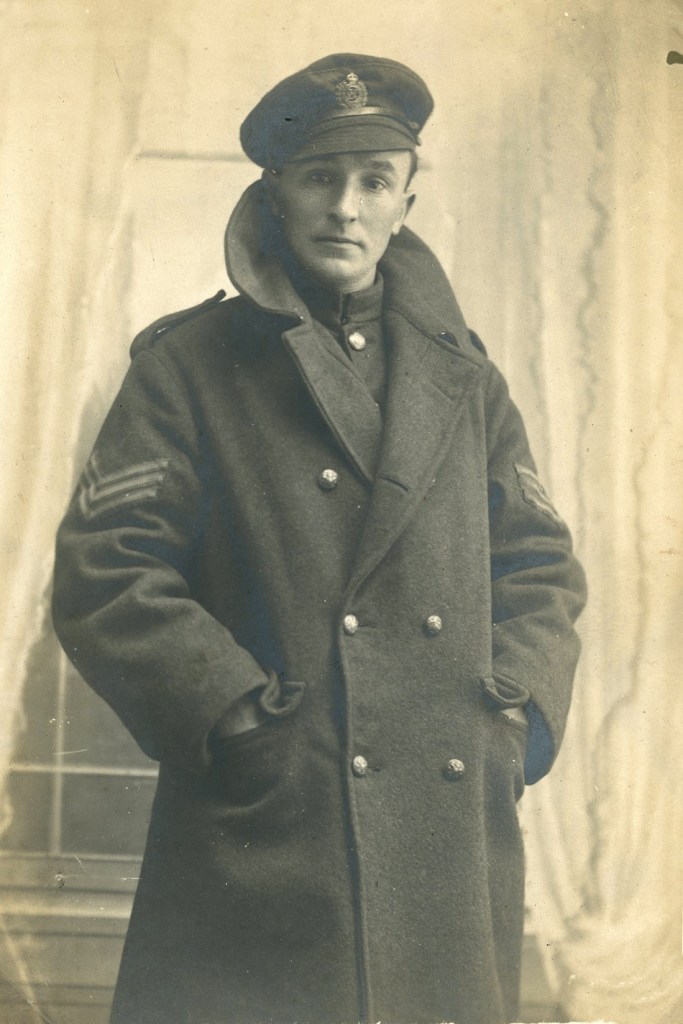
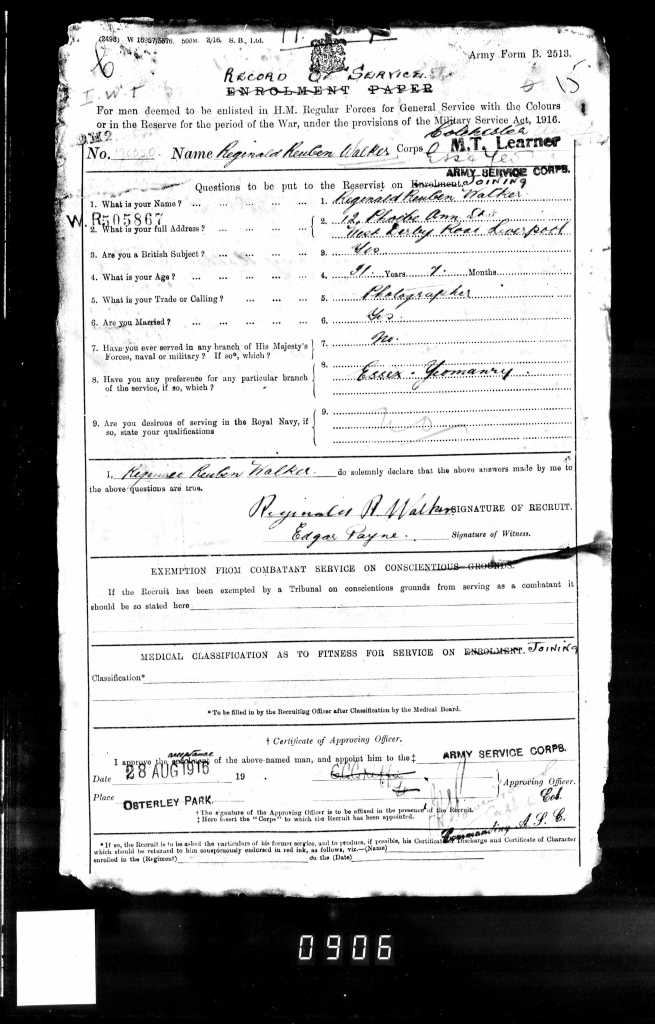
In 1915 their first son, Gordon Charles was born on a farm at Baildon near Leeds.
The family then moved to Bristol, where Beatrice had originated from, where they again set up a photographic business. In November 1919 their daughter, Joan Mildred was born, regrettably she died from meningitis when only a few months old. In 1923 Reginald and Beatrice had a second son, Brian Hamilton, also born in Bristol. Their eldest son, Gordon had suffered a serious accident while they lived at Bristol which resulted in a protracted stay at the Bristol Eye Infirmary, leaving him with reduced eyesight.
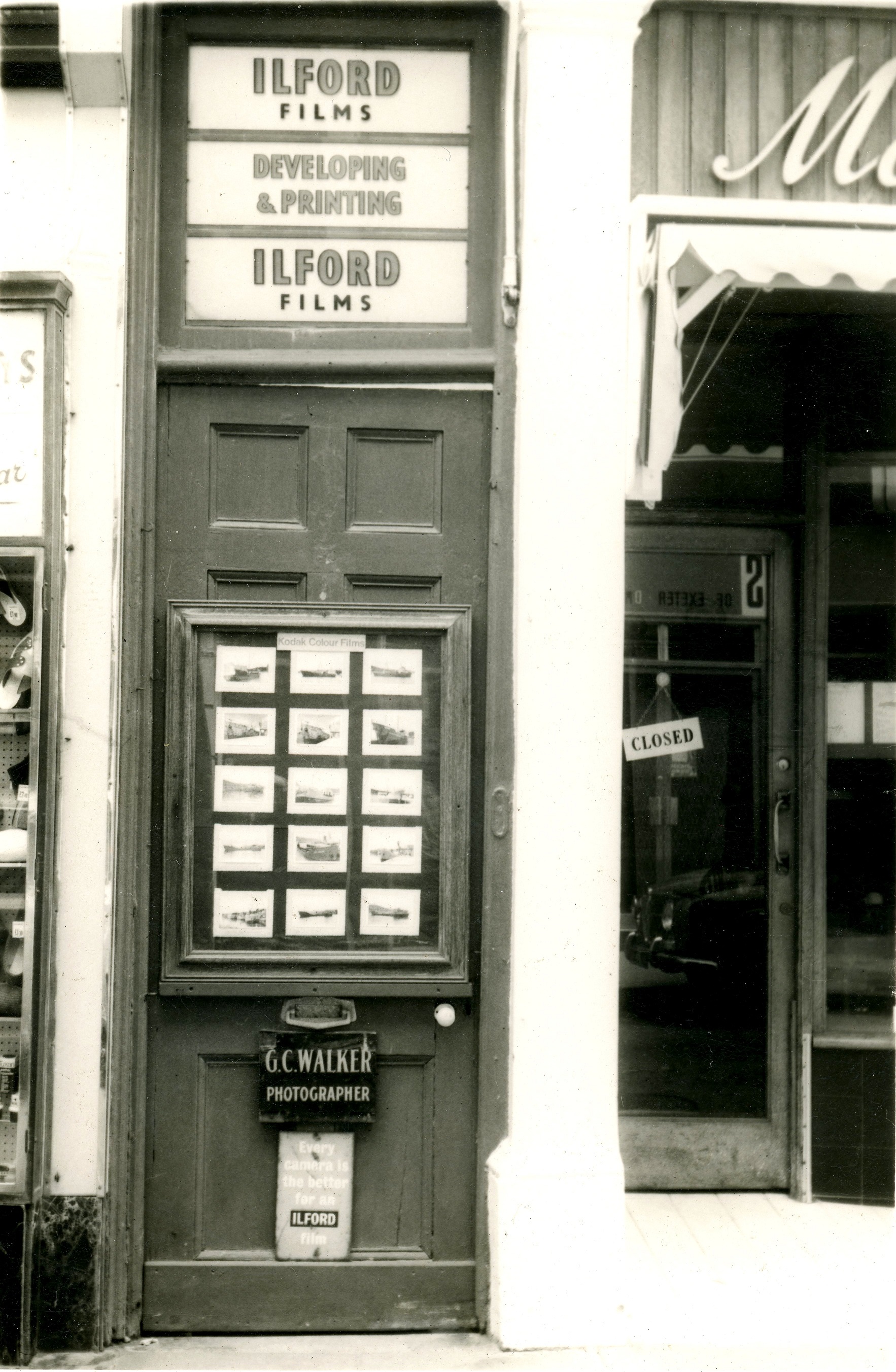
In the 1920s Reginald moved his family to Teignmouth where he established a photographic business with his brother Charles Hamilton, but Charles did not remain in Teignmouth for long. Reginald had a shop in Brunswick Street, Teignmouth and also operated from a beach hut near the Pier where he had photographic rights.
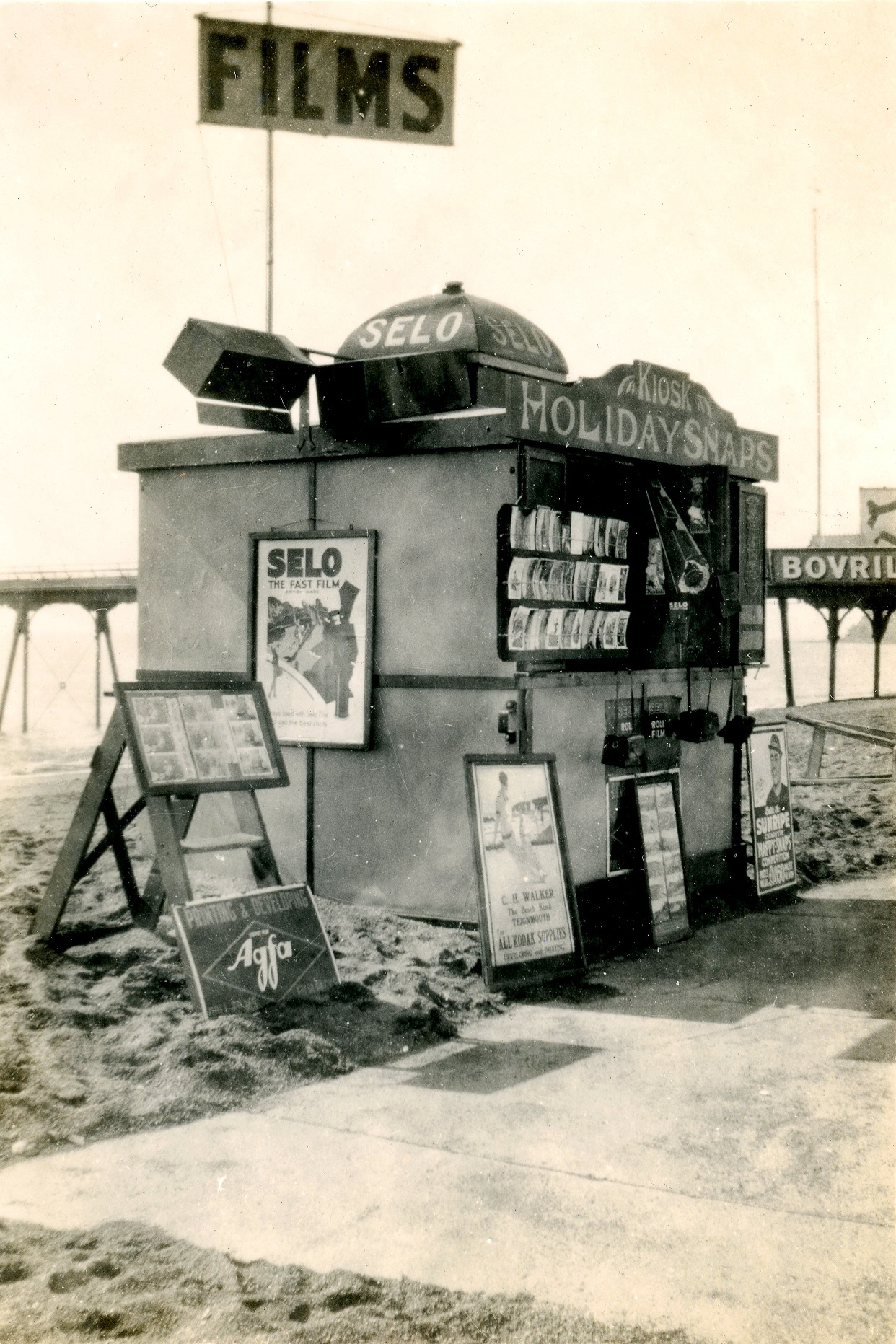
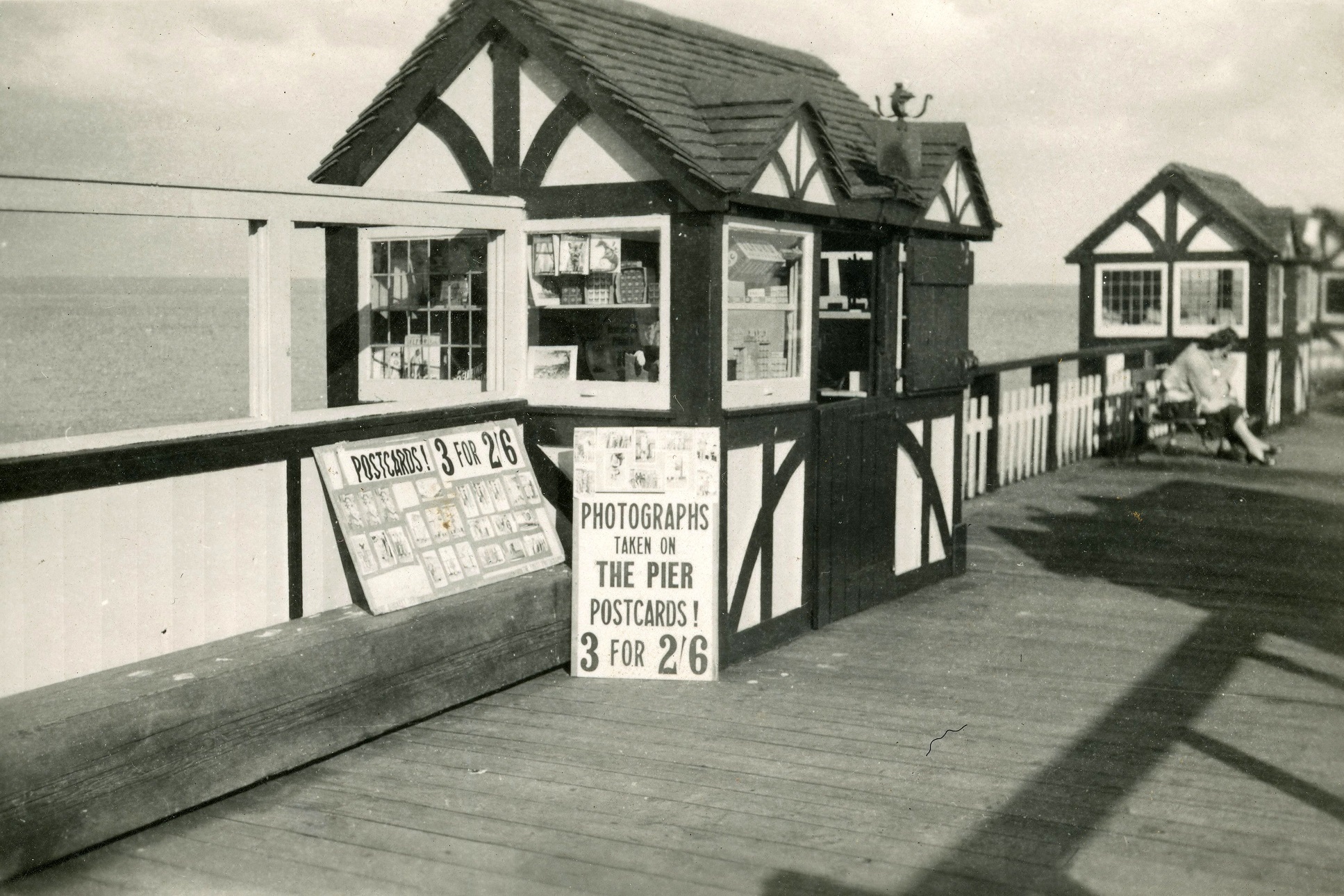
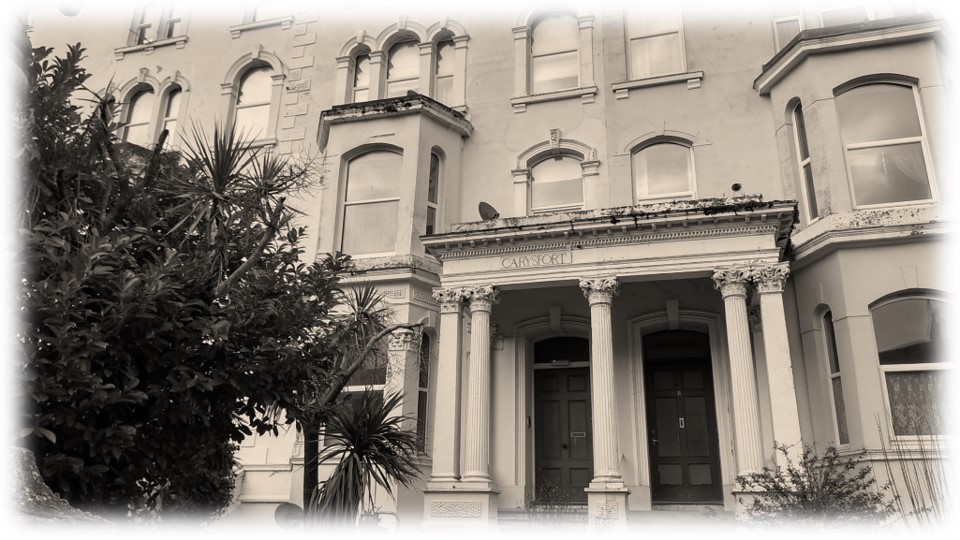
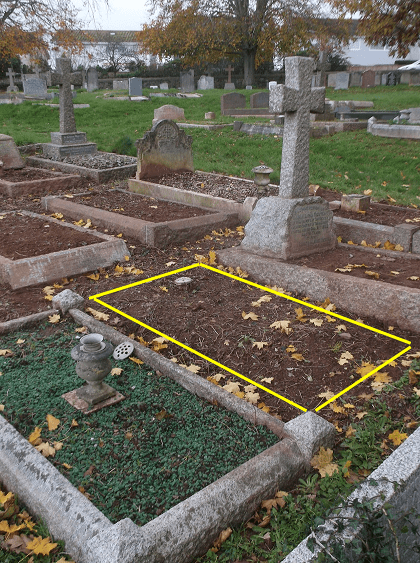
Reginald traded successfully in Teignmouth until January 1933. The family was living in a basement flat in Carysfort, Orchard Gardens [2] in Teignmouth when Reginald slipped and fell down the steps leading to the flat. Reginald remained at home, but the next day his condition worsened and he was admitted to hospital in Exeter where he subsequently passed away. (Note: the inquest into his death was reported in the Exeter and Plymouth Gazette, which is reproduced below in the appendix [3]). He was buried in Teignmouth’s Old Cemetery, in an unmarked grave [4].
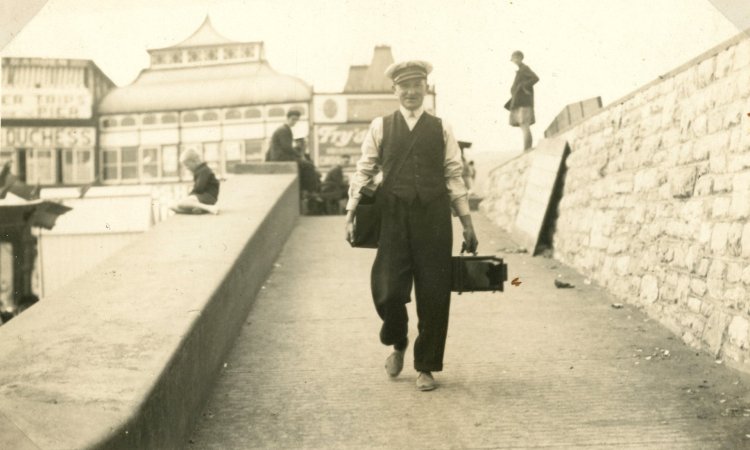
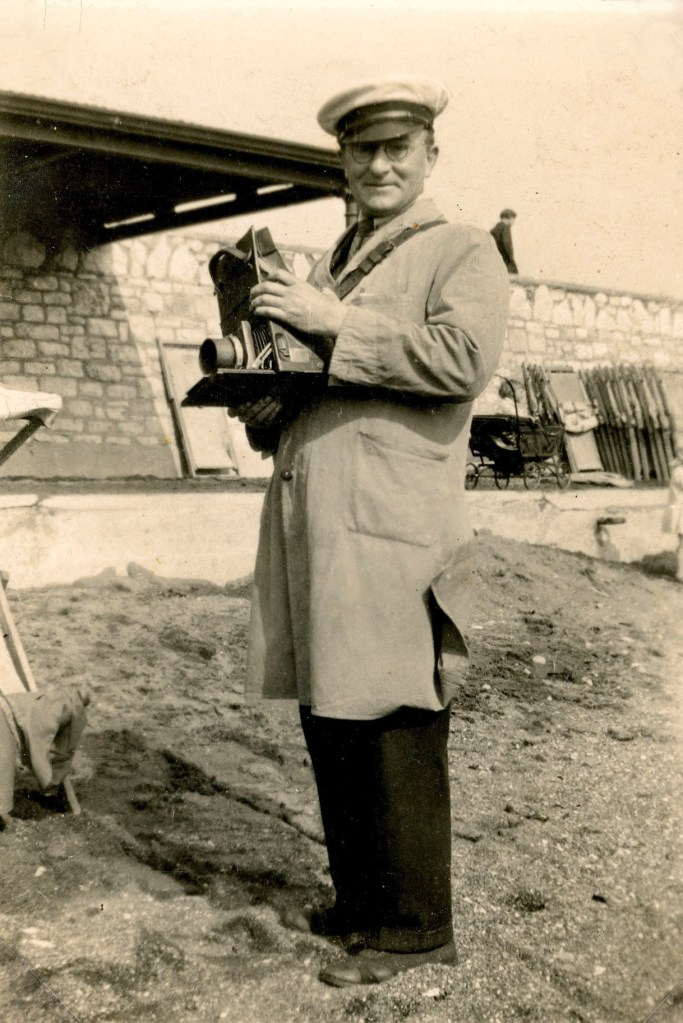
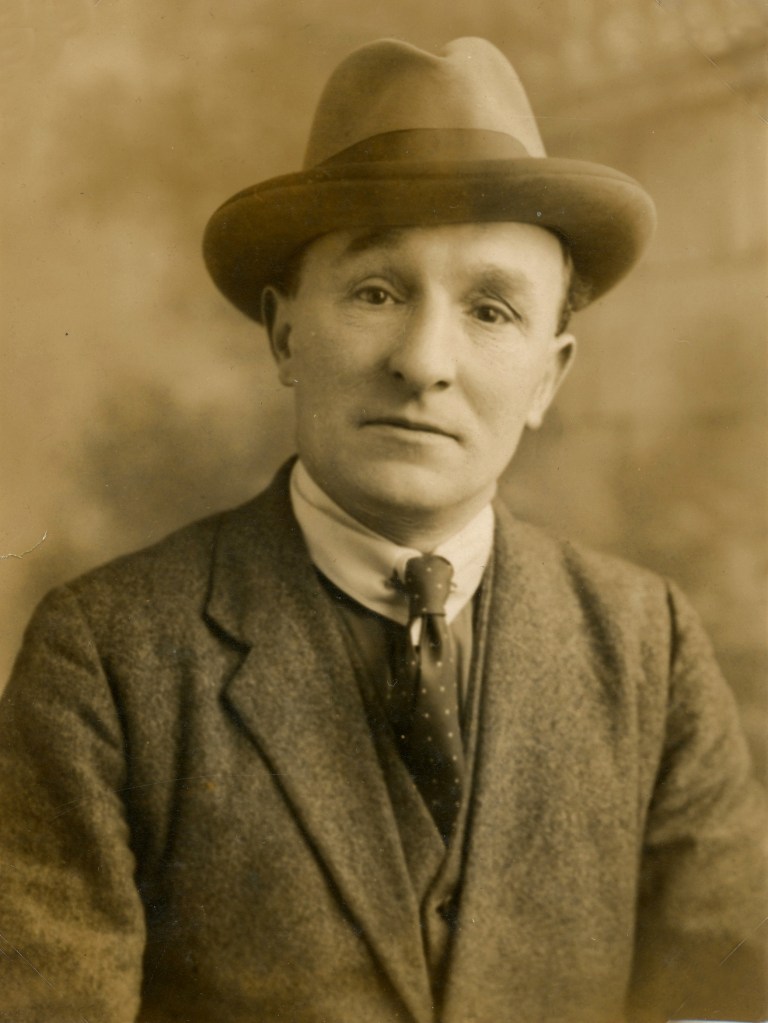
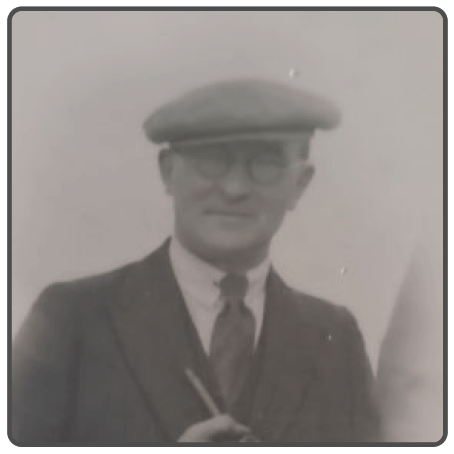
The family business was then run by Gordon and his mother and continued after Gordon’s wartime service until 1976 when he moved from their Bank Street shop.
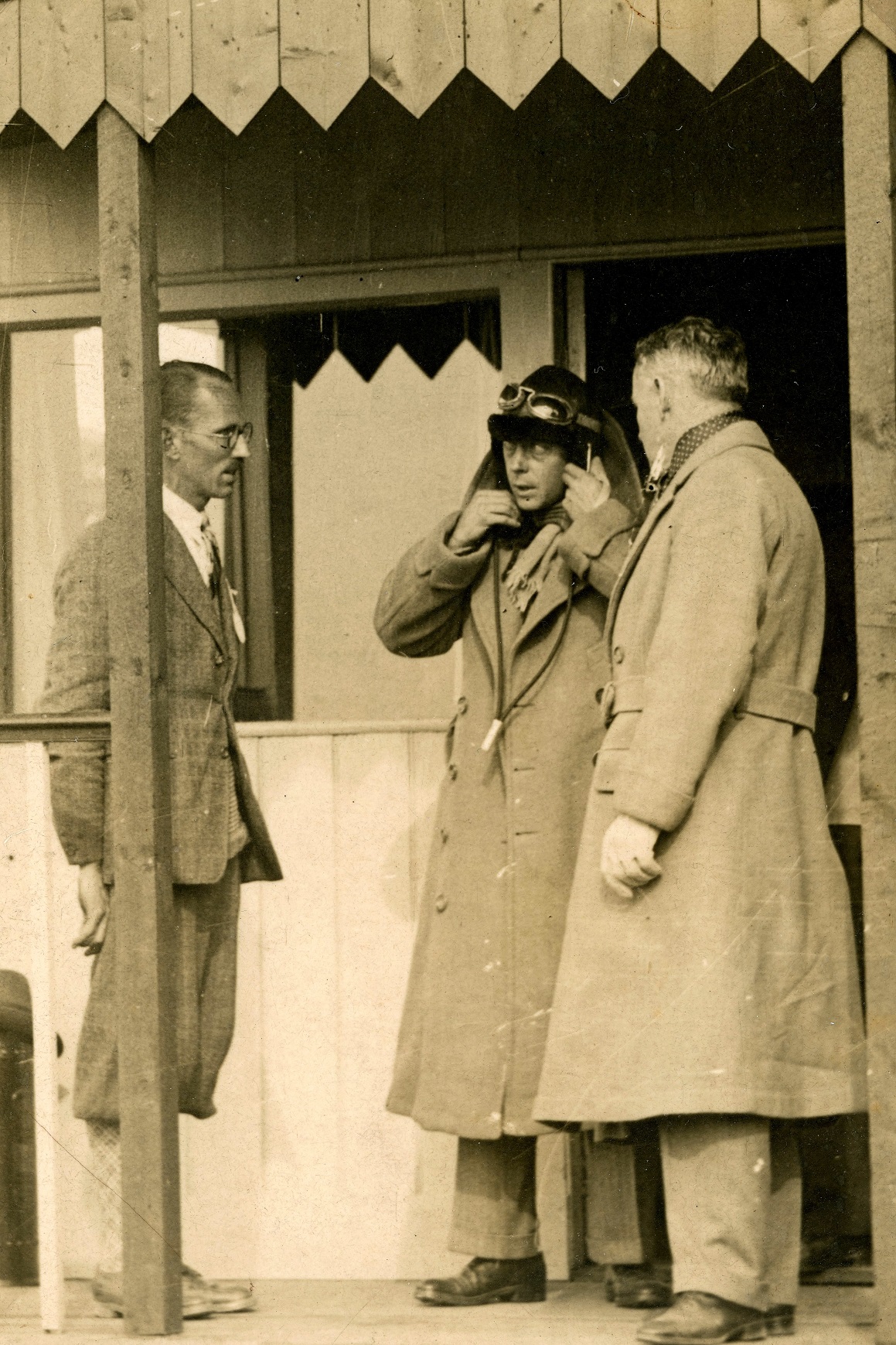
There are very few ‘confirmed’ photos taken by Reginald Reuben Walker since most of his work was lost in some extensive flooding in Teignmouth between the Wars. Here is one showing the then Prince of Wales on a visit to Haldon Aerodrome in 1930.
Appendix
Exeter and Plymouth Gazette 13th January 1933
FATAL FALL AFTER PARTY.
Teignmouth Man Fractures Skull.
“ACCIDENTAL DEATH” VERDICT AT INQUEST.
How a fall while returning from party led to a man’s death was told to the Deputy City Coroner (Mr. H. Linford Brown) on Friday at the inquest on Reginald Reuben Walker, aged 44, of Carysfort, Orchard Gardens, Teignmouth, who died at the Royal Devon and Exeter Hospital on January 5th.
Mrs Beatrice Mary Walker said her husband, who was a photographer and aged 44, went with her and their two sons to a party on January 4th. They left about 3.30 on Thursday morning. Their house was approached by a path through a garden, and there was basement, which was protected by a small railing. One of the boys went on to light the light, and her husband followed him. He was few paces in front of witness and the other boy, and turned to tell them to walk on the grass to make less noise. They had hardly done so when he disappeared, and witness found he had fallen over the railings into the basement.
It was a dark night, and the street lamps were out. Deceased was well acquainted with the path, having lived at the house for about six years, and witness thought the darkness had made him misjudge his distance from the railings. They had had nothing intoxicating at the party.
Gordon Charles Walker, son of deceased, said he was away in the passage on his way to light the light when heard a thud, as if someone had fallen. Obtaining a light, he found it was his father, and sent for a doctor. There were eleven steps, each about eight inches deep, and his father had fallen the concrete.
P.C. J F Strang deposed that about 3.10am in he found deceased resting on his elbows and knees in the basement of the house. He was semi-conscious, and after being assisted into the house became fully conscious. His nose was bleeding badly, hut he seemed to have no other injury. Witness attended to him, and he was later put into bed.
Dr. Gissane, senior house surgeon at the hospital, stated that deceased was unconscious when admitted at 9.15 on Thursday morning. He had no external injuries, except bleeding from the mouth and nose. He was suffering from hemorrhage of the brain, and was operated on to stop bleeding of the skull, but died at 10 p.m. A post-mortem examination had revealed a fracture of the skull.
The Coroner returned a verdict of “Accidental death,” and expressed his sympathy with the widow and sons.
Sources and References
Extracts from contemporary newspapers are referenced directly in the text and are derived from British Newspaper Archives.
Ancestry.com for genealogy
Other sources and notes, with hyperlinks as appropriate, are as follows:
[1] This and other personal photographs courtesy of Tom Walker
[2] Photograph by Neil Howell
[3] Exeter and Plymouth Gazette Friday 13th January 1933
[4] Photo of cleared grave by Neil Howell
 Teignmouth Old Cemetery