As you walk through the cemetery, you can’t fail but be drawn to some of the graves that have been uncovered – it could be the headstone that catches your eye; or maybe you wonder about the epitaph; or, as in the case of this story, it may be the name of the person buried there.
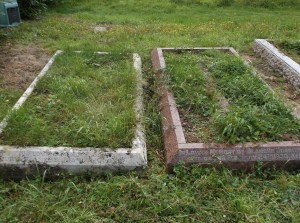
Blanche Juanita Cooke and her daughter Ruby Blanche Juanita Cooke are buried side-by-side. Juanita is an unusual name for this country and certainly not common in Victorian times. But, prompted by this, a quick internet search revealed something even more extraordinary. Blanche Juanita Cooke was really the Dowager Lady Harriette Blanche Juanita Georgiana Cooke, the widow of the 9th Baronet Sir William Ridley Charles Cooke. Unlike previous stories this is not a tale of accomplishments but rather one of life-style and of how the other half lived. What follows is almost a real-life Downton Abbey (but lacking the upstairs-downstairs melodrama!) over more than a century.
Because of the long names I’ll refer from now on to the Dowager Lady Harriette Blanche Juanita Georgiana Cooke simply as “Blanche” or “Lady Cooke” or “Lady Blanche” and her daughter as “Ruby”.
Blanche’s life seemed to progress in stages, the first of which was through to her marriage.
Old Money Meets New Money
The marriage of Blanche to the 9th Baronet is significant in terms of social history because it represents a not uncommon feature of the development of Victorian aristocracy – the coming together of “old money” and “new money”. The “old money” was the well-established historical peerages; the “new money” was the upstarts with wealth created from a combination of the industrial revolution and the expansion of the British Empire. Blanche was new money, but let’s start with the old.
Old Money
There is an excellent account of the Cooke family line on the Arksey Village History blog site and I am indebted to Alison Vainlo, who has produced that site, for her kind permission to use some the photographs she has discovered.

In brief, the Cooke family line can be traced back to the 15th Century but its growth in power seems to lie with Edward Cooke who became Mayor of Doncaster (1504- 1508). The associated financial status this bestowed led to a gradual acquisition of land in the area through to the 17th century. The baronetcy was awarded to the family for their ‘suffering and loyalty to the Crown’ during the civil war; and it was Sir George Cooke who became the 1st Baronet of Wheatley on May 10th 1661. The magnificent Wheatley Hall, set in its 103 acres of ground, was built 22 years later. The baronetcy passed down subsequent generations through the eldest male descendants of the family until it reached Blanche’s husband-to-be, Sir William Ridley Charles Cooke, in 1851.
New Money
Blanche’s “new money” aristocratic line started with her grandfather, Sir William Feilden (1772-1867). He made his money in cotton and also started acquiring land, purchasing the hamlet of Feniscowles (near Blackburn) in 1798 and building the family home – the house of Feniscowles set in a “romantic valley on the banks of the river Darwen”. He entered politics in 1832, becoming liberal MP for Blackburn. Nine years later he switched allegiance to the conservatives and was rewarded with the baronetcy in 1846 shortly before his retirement.
Blanche’s father, Sir William Henry Feilden, acquired the title on his father’s death in 1867. He was a captain in the 17th Lancers when he married Mary Elizabeth Wemyss, daughter of the late Colonel Wemyss of Wemyss Hall, Fife. In a sense this was also a confluence of ‘new money/old money’. Her mother’s line is the Wemyss clan whose records date back to the 12th century and who ruled the Fife region of Scotland from the bastion of Wemyss Castle.

William and Mary had seven children, of whom Blanche was the last to die. The official records seem confused about her date of birth but contemporary birth announcements in the press suggest it was October 29th 1843 (Naval & Military Gazette and Weekly Chronicle of the United Service – Saturday 11 November 1843). Curiously she was born at a place called Cambo House (belonging to the Erskine family), Fife, not at her husband’s or her own family home. Also, and the original attraction of the grave, why was she given the name ‘Juanita’? It doesn’t appear to be a family name nor a common Victorian name. The name means ‘Gift of God’ so maybe there had been a miscarriage prior to Blanche’s birth, but again there is no evidence of that. So it was probably just a whim.
Old Money and New Money Meet
So the scene was set for the coming together of old and new money. But there could have been one slight problem along the way. On 17th April 1855 Sir William Ridley Cooke had married Harriet Eloise Trebeck, daughter of the Reverend Jonathan Trebeck. Fortunately for Blanche that marriage was not destined to last and it allows me to introduce a little whiff of scandal into the story.
The tabloid press may not have been around in those days but the story warranted widespread reporting around the country. Here is the version from the York Herald of 29 November 1862:
DIVORCE OF A YORKSHIRE BARONET.
COURT FOR DIVORCE AND MATRIMONIAL
CAUSES, Nov. 21.
Before the Judge-Ordinary.
COOKE v. COOKE AND ELMSALL
This was a petition by Sir William Ridley Charles Cooke, Bart., for a dissolution of his marriage with Dame Harriett Eloise Cooke, on the ground of her adultery with Mansfield Elmsall. The respondent and co-respondent pleaded a denial of the charge.
Mr. Temple, Q.C., and Dr. Spinks appeared for the petitioner; Mr. Overend, Q.C., and Mr. Littler for the respondent.
Mr. TEMPLE stated that the petitioner married the respondent, who was the daughter of a deceased clergyman named Trebeck, on the 17th of April, 1855, and they lived together at Wheatley Hall, in Yorkshire. Four or five years after the marriage some dissensions arose between them respecting the co-respondent, and Lady Cooke left her home with the housekeeper, Mrs. Thomas, and went into lodgings in Sloane street, Chelsea.
She there wrote a letter to Sir Charles, in which she said that for a long time she and Mr. Elmsall had been more to one another by far than under their respective circumstances they ought to have been, but nothing so bad as he might at first suppose had taken place; that Mr. Elmsall’s love for her had been of long standing, and she had been the most to blame in allowing him to tell her of it, but she believed each of them would have remained in total ignorance of the other had it not been that the outbreak at the archery ground in Doncaster gave them a common ground of complaint and sympathy. She continued – ‘I await your reply to this, hoping that you will give it your full attention, and consider it, knowing this much, you will or will not have me back again. Should the former be your decision, I will do my best to deserve your confidence in future. Of course our love will be a sealed subject between him and I for the rest of our lives.’ In conclusion she said that Sir Charles could take time for reflection if he pleased, but she begged him to make up his mind definitely before she returned.
Sir Charles, after receiving this letter, allowed her to return and live with him, but he afterwards had occasion to remonstrate with her again, and in March or April 1861, she finally left his house. She went to live with her mother, first at Whitby, and afterwards at Dover. On the 14th of March, 1862, she left her mother’s house, and Sir Charles received information which he communicated to his solicitors, and one of their clerks was sent to the Continent. He traced Lady Cooke and Mr. Elmshall to Lucerne, and followed them to Offenburg, where the citation in this suit was served on them.
The Rev. Mr. Simmons proved the facts of the marriage and the separation, and that Sir Charles had always treated his wife with kindness.
Mr. Harper, a clerk to the attorney for the petitioner, proved that in May last he traced the respondent and the co-respondent to Paris, to Zurich, to Lucerne, to Lugano, to Milan, to Turin, to Geneva, and to Basle. At Basle they stayed at the Three Kings Hotel, and occupied a double-bedded room. From there they went to Offenburg, where they also occupied a double-bedded room. He served the citation and petition on them as they were sitting at breakfast in the public room of the hotel. He said ‘I suppose you can guess my business?’ The co-respondent said, ‘I really cannot’. He said, ‘Perhaps Lady Cooke can tell you,’ and they both started. He said, ‘It is desirable not to attract attention,’ and handed the Times newspaper to the co-respondent, together with the citation and petition. He then went round the table, and gave another copy to Lady Cooke.
Hudson, the petitioner’s groom, who had been sent to Offenburg to see the respondent and co-respondent, identified them.
The Court granted a decree nisi, with costs against the co-respondent.”
The somewhat coy description of the denouement and the “double-bedded room” was obviously the clincher!
Nine years later Sir William remarried, this time to Blanche (Photographs courtesy of Alison Vainlo).
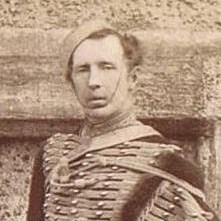

The Preston Herald of 6th May 1871 painted a picture of the glamour of the day:
MARRIAGE OF MISS FEILDEN.
(DAUGHTER OF SIR W. H. FEILDEN, BART.)
That most charming of the environs of Scarborough, the South Cliff, was rendered unusually gay and attractive on Thursday last, by the proceedings in connection with the marriage, which took place on that day, of Sir William Ridley Charles Cooke, Bart., of Wheatley Hall, Doncaster, with Harriet Blanche Juanita, youngest daughter of Sir W. H. Feilden, Bart., of Feniscowles Hall, Lancashire.
The marriage was celebrated at the church of St. Martin’s-on-the-Hill, which was crowded long before the hour fixed for the nuptial ceremony. Shortly after eleven o’clock the wedding party began to arrive. The greatest interest appeared to be felt in the occasion by the throng that gathered about the church and filled the edifice, Miss Feilden being well known to many present as a young lady whose amiability endeared her to all her acquaintances. The bride was handed from her carriage by her father, Sir William Feilden, who forthwith led her to the altar, whither she was accompanied by six young ladies as bridesmaids, viz., Miss Cecilia Willis, (cousin to the bride), Miss Williams, Miss Burrell, Miss Pedder, Miss Edith Feilden, and Miss Blanche Whittaker, the two last being the bride’s nieces.
The bride was attired in rich white satin, trimmed with magnificent Brussels lace, tastefully adorned with orange blossom, stephanotis, and lily of the valley, with veil and wreath to correspond. She wore a splendid diamond tiara, and her sweet and bright smile, as she passed up the aisle, seemed to be reflected in the magnificent and costly suit of diamonds and emeralds that formed her ornaments.
The bridesmaids’ dresses were remarkably elegant, and from their light and cloudy appearance very difficult to describe. Suffice it to say, that over long white silk slips were worn the most fairy-like of tulle dresses, with upper skirts of the same, caught up by bunches of lovely dog-roses and trails of ivy, with veils and wreaths to match. Each bridesmaid wore a handsome gold and pearl locket, the gift of the bridegroom, and both they and the bride carried magnificent bouquets of exotica, grown and arranged by Mr. Kelly, gardener to Sir W. H. Feilden.
The bridegroom – Sir Wm. Cooke – was attended by Major Burrell 15th Hussars), as ‘best man’, and by Mr. Haughton Feilden (Royal Artillery), Mr. Arthur Pedder, Mr. Walter Burrell, and Mr. Simpson. The bride and bridegroom met on the chancel steps where, with the party grouped around, and the bridesmaids in the rear, a most pleasing and most interesting scene was presented. The service was impressively read and conducted by the Rev. Jonathan Beilby, M.A., vicar of Feniscowles, assisted by the Rev. Walter Grey, vicar of Arksey. The well-pronounced ‘I will’, which the bridegroom pledged at the altar, was distinctly heard, and the manly earnestness of its tone guaranteed its sacred observance. After the ceremony, the bridal party retired to the vestry of the church, where the newly-wedded pair received the first congratulations of their immediate friends, and where the usual formalities were gone through.
The party then repaired to Williamson’s Crown Hotel, where a sumptuous déjeuner was served to the company present. The tables were set out by Mr. And Mrs. Williamson with the most consummate taste, and every delicacy of the season was to be seen. The following guests were assembled: (Long List).
The interval, that occurred before breakfast was served, was spent by the guests in the elegant drawing room of the hotel, where was displayed a magnificent and costly collection of bridal presents (Long List featuring diamonds, diamonds, more diamonds, rubies, emeralds, sapphires, pearls …. down to a “handsome gold-mounted whip” and “From the Servant’s of the bride’s family: many handsome and useful presents”). During the absence of the company, the costly collection of presents above enumerated, was under the confidential care of Mr. Brogden.
The hour at breakfast was most pleasantly spent, and benisons and good wishes were warmly expressed towards the bride and bridegroom. On rising, Sir Wm. and Lady Cooke bade adieu to their friends, and very shortly afterwards they took a special train for the Lake district, where they will spend a portion of the honeymoon. As they left the Crown Hotel, the traditional and inevitable shower of white slippers followed them, and the best wishes of the spectators for their future happiness went with them. A dance given at the hotel, by Sir Wm. and Lady Feilden, which was kept up till a late hour, terminated the proceedings of the day, which was, throughout, an exceptional one for its lovely brightness, genially calling to mind the old saying – to which many on Thursday would say ‘Amen’ – that ‘Happy is the bride whom the sun shines on.’”
The Social Whirl
Finding out what Blanche’s life was like during her marriage has been largely a trawl through the newspapers of the next 25 years. This was made slightly more complicated because there were upto four Lady Cookes during this period so disentangling events associated with each of them was occasionally challenging. The conclusion I have drawn, based solely on the evidence of newspapers, is that Blanche’s destiny was closely tied to her husband who, according to the Yorkshire Evening Press in their obituary of 28th September 1894, “took very little interest in either politics or local affairs”. So it seems that Blanche’s life was one of meeting her conjugal obligations to perpetuate the baronetcy and the social obligations of all that went with the life-style.
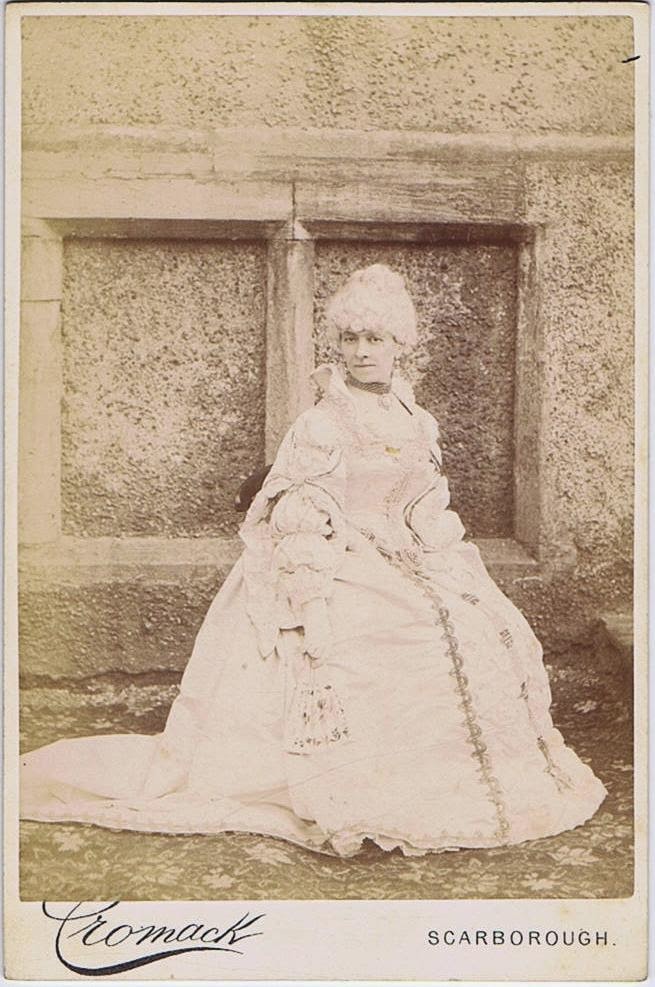

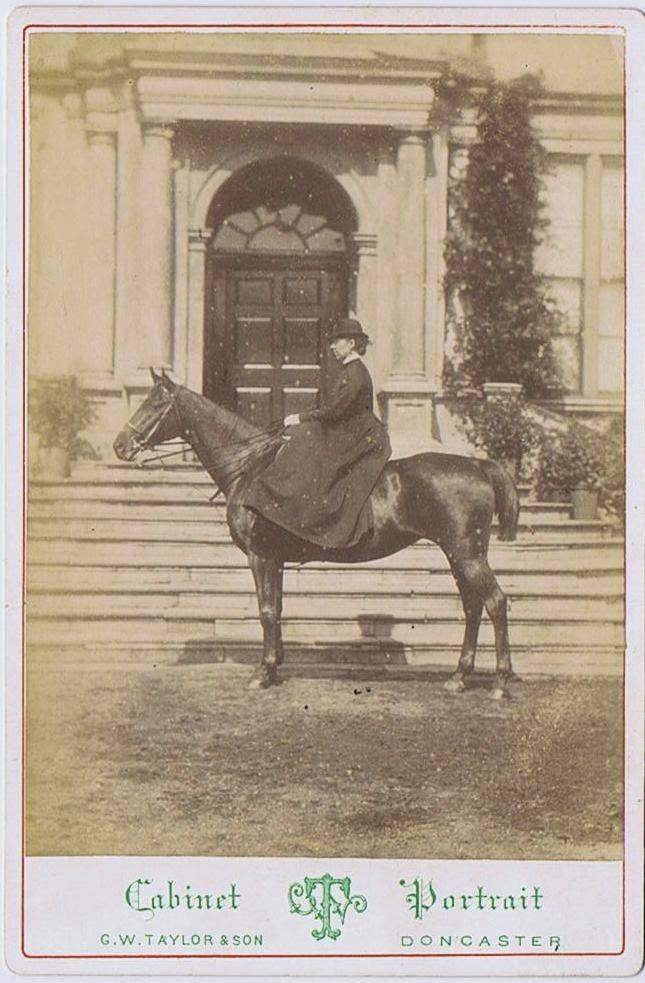
Photographs of Lady Blanche courtesy of Alison Vainlo
The conjugal obligations were soon fulfilled with the birth of her first child, a son William Henry Charles Wemyss, just over a year later (21st June 1872). He was followed four years later by her second son, Arthur Gordon Wyatt, and finally her daughter Ruby, born 3rd June 1879.


Photographs of Ruby, courtesy of Alison Vainlo
The social obligations were principally year-in year-out attendance at the fashionable balls of the time, with weddings, funerals and other social events in between. The social whirl always included the “Season” when it was the appropriate time (summer months) for the social elite to migrate to the city (London) for a round of balls, dinner parties and charity events. These would be assiduously reported in the press throughout the country. For example, the Dublin Evening Telegraph of 23rd May 1873 reported:
“Sir William Cooke, Bart., and Lady Cooke have arrived at Long’s Hotel, Clifford Street, London, for the season.”
Long’s Hotel seems to have been their favoured residence in London, well-situated lying as it does in Clifford Street which runs between New Bond Street and Savile Row. It has an interesting write-up in the Dictionary of Victorian London:
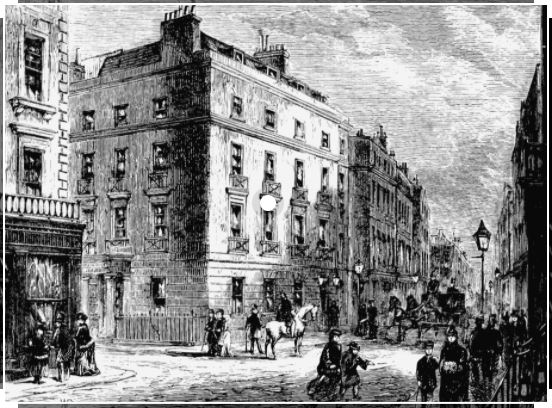
“Long’s Hotel, in Bond Street, as it appeared in the sixties, was a species of adjunct to half the clubs in London. Men playing till three or four in the morning in clubs that aspired to being considered “correct” usually adjourned to Long’s, and one man having engaged a bedroom, the rest trooped in after him. To such an extent, indeed, was this recognised, that a commodious bedroom on the ground floor was especially set apart for these nocturnal emergencies, and within five minutes of entering the most methodical of night porters produced cards, candles and the inevitable brandy and sodas. It was here that the fastest and best men in London lounged in and out of the coffee room from breakfast time till well on in the afternoon, and smoked, drank champagne, talked horsy, and swore loudly. Not that Long’s was not a highly respectable hotel: on the contrary, the entire upper part was conducted on strictly correct lines, and patronised by the best county people of the day, and the latitude granted to the ground floor must be set down rather as a desire of the management to please all parties, and bow before the inevitable there was no resisting.”
I assume that Sir William and Lady Blanche stayed in the upper part of the hotel although Sir William may well have felt comfortable on the ground floor as well!

Out of season the social whirl did not stop, it just returned to a different pace. January seemed to be a particularly busy month for balls. Here are a few which appeared annually in that month and which were regularly attended by Sir William and Lady Blanche: Doncaster Infirmary Ball, Yorkshire Hussars Ball, Wakefield Charity Ball, Newark Hospital Ball, The Bachelors Ball. What were these balls like? Sumptuous by the sound of it, perhaps even decadent. Here are a few examples of those they attended across time:
Sir William and Lady Blanche would host their own balls. The John Bull of 22nd January 1881 described one such event:
“On Tuesday, the 11th inst., a ball, attended by about two hundred, was given by Sir William and Lady Cooke at Wheatley Park. The ballroom was decorated with evergreens, and beautifully lighted. Dancing commenced at nine o’clock, and was kept up until seven in the morning ….. Lady Cooke wore a dress of the palest blue satin and deep Brussels lace; gold sash across the left shoulder; gloves to match, and a parure of rubies and diamonds; tiara to match …..”
The Yorkshire Post and Leeds Intelligencer of 23rd April 1887 reported on the Jubilee Ball marking Queen Victoria’s 50 years on the throne:
“DONCASTER – JUBILEE FANCY DRESS BALL.
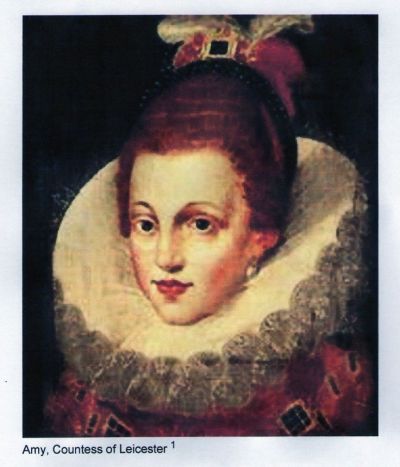
The Jubilee of Her Majesty’s accession was celebrated in Doncaster last night by a grand fancy dress ball, which was held in the Mansion House. There was a large and brilliant gathering, about 300 visitors being present. Most of the noblemen and gentry in the district had made up house parties for the occasion, among them being Lord and Lady Auckland, Lord and Lady Halifax, ….., Sir William and Lady Cooke ….. The following were some of the characters represented ….. Amy Robsart (Lady Cooke) ….. Company began to arrive at nine o’clock, and dancing was continued until far into the morning. The rooms and staircase were decorated with plants, and the fine picture of Her Majesty which hangs in the ballroom was draped with the Union Jack and Royal Standard.
Amy Robsart was an interesting choice of character by Blanche. She was the first wife of Robert Dudley who was the “favourite” of Queen Elizabeth I. Amy died young in suspicious circumstances.
Sometimes Royalty was involved as the Sheffield Daily telegraph reported in a four-column spread on 22nd October 1879:
“Rightly or wrongly, the ladies of Hallamshire have got it into their heads that they owe the brilliant ball of last evening to the desire of Prince Leopold that the fairer portion of our people should be able to participate as largely as possible in the festivities held in his honour ….. Dancing, according to the majority of ladies, is more delightful than talking; and Prince Leopold’s choice, if choice it was, is accepted as further evidence of his good sense and personal excellence ….. the ball was undoubtedly a brilliant success …..
All the apartments were brought into requisition, and though the number of guests reached 650 there was abundance of room for everyone. Those who delight to ‘trip it gaily to and fro’ could frequent the large hall and slide away to the melodious strains of the band, over the snowy holland.
On one side of the room, in the crimson portion, was a couch, placed in a recess and overhung by graceful palms, so that the Prince could recline under his own palm tree, if he were so inclined …..
The guard of honour was furnished by the 1st West York Yeomanry Cavalry …. At supper, for which Mr. Mountain catered, the following was the MENU – Baron of Beef, Rounds of Corned Beef, Quarters of Lamb, Boars’ Heads, Roast Turkeys, Roast and Boild Chickens, Hams, Tongues, Galantines of Veal, Pigeon Pies, Lobster, Salads, Grouse, Pheasants, Partridges, Game Pies. SWEETS: Madeira Jellies, Macedoine of Fruits, Charlotte Russe, Noyean Creams, Bohemian Creams, Apricot Creams, Vanilla Creams, Pastries Various. WINES: Champagne, Hock, Sherry”
All the above gives only a flavour of what might be described as a decadent life-style. Would they have suspected that it couldn’t last? The first world war would bring change but that was still on the distant horizon. Did the Leeds Mercury of 5th January 1894 identify early signs of the unsustainability of such hedonistic activities:
“WAKEFIELD CHARITY BALL ….. Since the year 1851 the event has been an annual one, and has been well supported by the gentry and county families residing in the neighbourhood of Wakefield. What surplus funds have remained after the payment of expenses have been handed over to the Clayton Hospital and the Wakefield Dispensary. In years gone by the amount thus available has often exceeded £100 – in 1847, for example, the sum devoted to charity being £159. Of late, however, the receipts have somewhat fallen ….. Last year the surplus funds amounted to £33 15s.”
Although attendance at the “Ball scene” was a constant feature of her life, in the later years of her marriage there is increasing mention of Blanche attending various charity, military and social events, more often on her own accord. Here are a few examples:
As a patron of the Cliff Bridge Company band, Scarborough, as described by the Yorkshire Evening press of 9th May 1890:

“THE MESSIAH AT THE SPA. The announcement of a benefit concert of the Company’s band, under the distinguished patronage of his Worship the Mayor (Ald. Hutton, J.P.), Joshua Rowntree, M.P. …. Lady Cooke &c, brought together a large audience at the Spa last night ….. The orchestra was composed of the Cliff Bridge Company’s Band specially augmented for the occasion, with a chorus of upwards of 100 voices …..”
There was entertainment of a different sort when Sir William and Lady Cooke attended the local Doncaster races, although this attendance in 1891 seemed a quieter event than normal as reported by the Daily Telegraph and Courier of 9th September 1891:
“Owing to there being no parties this week from either the Duke of Portland’s or Viscount Galway’s, or from Nun-Appleton, the muster in the Ladies Stand at Doncaster yesterday was far below the usual average, and at no period of the day was it at all crowded. Notwithstanding a heavy shower of rain in the morning, the weather proved extremely pleasant, and the racing was of a most interesting description. One of the principal topics of conversation was the reported sale of the St. Leger favourite, Common, for the large price of £14,000 ….. (Worth around £1.8 million today)”
Another change of scene was the a military review as reported by the Gloucester Citizen of 19th May 1892:
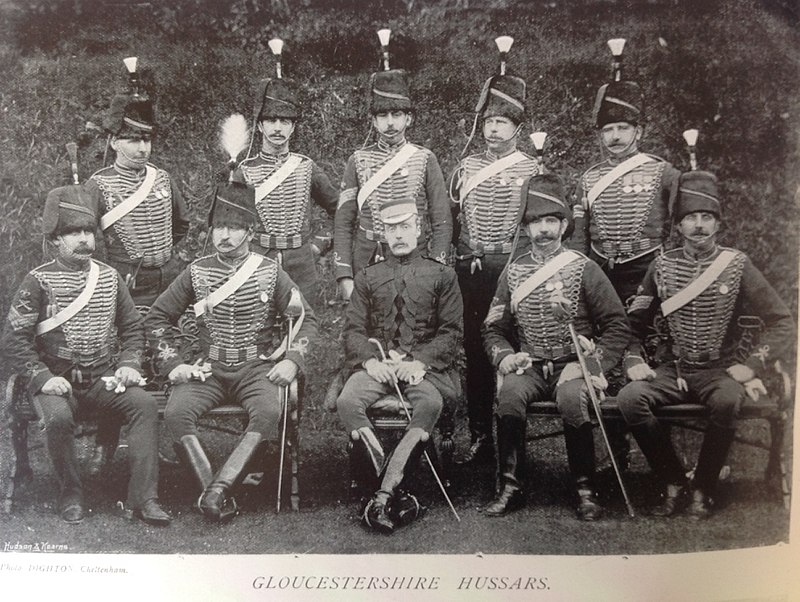
“THE GLOUCESTERSHIRE YEOMANRY – THE ANNUAL REVIEW – The annual regimental training was brought to a conclusion on Wednesday by the official inspection and review, which took place on the drill ground near Cheltenham. There was as usual a great concourse of spectators, and the enclosure held by Mr. C. Gilding was reserved for distinguished visitors amongst whom were the Countess of Suffolk, ….. , Sir William and Lady Cooke …..”
Closer to home Blanche was supporting a local church, as reported by the York Herald of 19th October 1893:
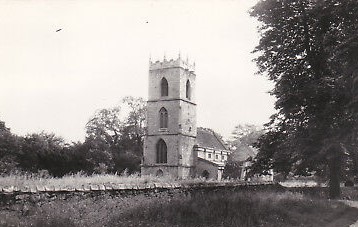
“LOVERSAL CHURCH. Yesterday afternoon a bazaar in aid of the funds for restoring Loversal Church, was opened by Lady Cooke at St. Catherine’s, near Doncaster, the seat of Mr. C. E. S. and Lady Mary Cooke. The church at Loversal has long needed restoration, and on the Rev. J. C. Ross accepting the living he set about devising means as to how the work could be accomplished …..
Interestingly this is the first mention here of two Lady Cookes together but the article is also the first reference I have found to Ruby, then aged 14:
“ ….. The ladies having charge of the stalls were Lady Mary Cooke, Miss Cooke (Wheatley Hall), Mrs. Ross (Wadworth Hall) …..”
The two Lady Cookes appeared again in 1894 which was also the first reference I could find to Blanche’s link (probably tenuous) to the political scene, as reported in the South Yorkshire Times of 25th May 1894:
“DONCASTER PRIMROSE LEAGUE. The annual meeting of the Primrose League was held on Saturday, Lieutenant-Colonel C. E. S. Cooke presiding ….. The officers were elected as follows: President, the Earl of Scarborough; ruling councillor, Lieutenant-Colonel C. E. S. Cooke, J.P.; dame president, the Lady Mary Cooke; ….. executive council, ….. Lady Cooke (Wheatley Hall) ….”

The Primrose League, founded in 1883, was an organisation for spreading Conservative principles in Great Britain. Their motto was “Imperium et libertas” – “Empire and freedom”, an appropriate oxymoron of the Victorian era. The Primrose League was supposedly the first political organisation to give women the same status and responsibilities as men. It reached its peak just before the first world war and then declined steadily, especially with the introduction of universal suffrage, although it wasn’t finally disbanded until 2004.
So we approach the end of the second phase of Blanche’s life. The lead-in to that was another significant event – the coming of age of Blanche’s eldest son which put him in line as the next baronet. The event was marked in style at Wheatley Hall as reported by the Yorkshire Evening Press of 10th August 1893:
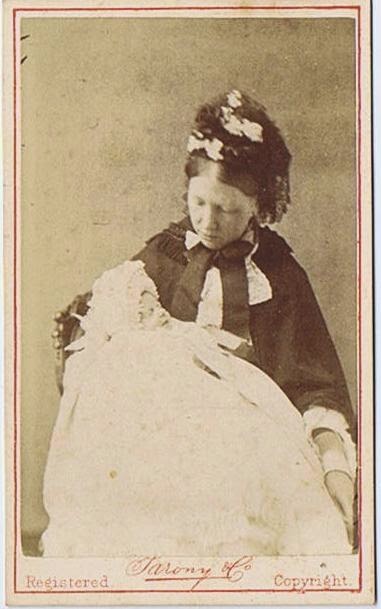
“COMING OF AGE AT WHEATLEY. This afternoon was commenced the rejoicings in connection with the coming of age of Mr. William Henry Charles Wemyss Cooke, eldest son of Sir William Cooke, of Wheatley Hall. Mr Cooke attained his majority in June, but for general convenience the rejoicings were put off till the present. At three o’clock there was a dinner given to the tenantry on the estate. This was served in a marquee erected on the lawn in front of the hall, and was supplied by Messrs. R. and H. T. Oliver of Frenchgate, Doncaster. About 130 were present by the express invitation of Sir William and Lady Cooke. After dinner Mr. Cooke was presented with a 5ft. mahogany polished cylinder fall writing desk, with fittings, and a mahogany polished library chair upholstered in Morocco leather. These had been purchased with the subscriptions of the tenantry and had been supplied by Mr. A. Wilburn, of High-street, Doncaster. On a brass plate was the crest of the family, and underneath the inscription: ‘Presented to Wm. Henry Charles Wemyss Cooke, Esq., on his 21st birthday, by the tenantry of the Wheatley Hall estate.’ Mr. Cooke was the recipient of other gifts, including a gold pin, studded with diamonds, presented by Lady Cooke, a gold-mounted riding whip, the gift of the servants, and presents from Mr. C. E. S. and Lady Mary Cooke, and others. After dinner there was dancing and sports. Tomorrow (Friday) the school children on the estate are to be treated, and on Saturday the old people in the district are to be provided for at Arksey.
It was as if the coming of age was a presentiment of what lay ahead for Blanche. Just over a year later, 27th September 1894, Blanche’s husband, Sir William Cooke, died. The Yorkshire Evening Press of 28th September reported:
“DEATH OF SIR WILLIAM COOKE – This morning news reached Doncaster of the death of Sir William Ridley Charles Cooke, who died at his seat, Wheatley Hall, at half-past eight o’clock on Thursday night. Sir William had long been suffering, and although at times he seemed better than at others, it was always known that the malady from which he suffered was incurable. The late Sir William succeeded his father, Sir William Bryan Cooke – the first Mayor of Doncaster under the Reform Act – in 1857 ….. Sir William was for several years in the 7th Hussars. He was well acquainted with the late Sir Roger Tichbourne, and during the late noted trial with reference to the claimant was a witness. (Note: the trial was the subject of the film ‘The Tichbourne Claimant’ in 1998). For some time he held the position of lieutenant in the 2nd West Yorkshire Yeomanry, and subsequently that of captain in the 1st West Yorkshire Yeomanry ….. The deceased took very little interest in either politics or local affairs. He is succeeded by his son, William Henry Charles Wemyss, who was born in Scarborough in 1872.”
The Globe of 2nd October reported his funeral:
“The remains of the late Sir William Cooke were laid to rest at noon today at Arksey, near Doncaster, of which parish the deceased Baronet was the patron. The service was conducted by the Rev. Edmund Whitaker, of Bath, brother-in-law of Lady Cooke, assisted by the Rev. Thomas Todd, vicar of Arksey. There was a large attendance of the tenantry, and many of the most prominent residents in the locality were present. The principal mourners included Mr. W. H. C. W. Cooke (who succeeds to the Baronetcy), Mr. Arthur Cooke, Lady Mary Cooke, Colonel Charles Cooke, Miss Cooke, Colonel Feilden, Captain Feilden, Mr. Frank Ramsden, Mr. H. N. Middleton, and Miss Isabella Cooke.
So Blanche was now the “Dowager” Lady Cooke, officially, although I have seen little reference to that quaint, anachronistic title. Her son became the 10th Baronet and owned the manor. The year was almost a double tragedy for Blanche, though. The new Sir William went down with typhoid a couple of months later. This was one of those Victorian diseases that we have largely eliminated through improvements in sanitation, but it was a killer in its time and no respecter of rank – Prince Albert, Queen Victoria’s husband, died from typhoid in 1861. Sir William survived, but only after reports of his death had already reached some of the press!
If you go by the press then Blanche and Ruby disappeared from the public eye for the next seven years, until a little item in the Reading Mercury of 13th July 1901 set the stage for the next phase of their lives when it revealed:
“Lady Cooke and Miss Cooke have arrived at East Thorpe, Reading, which they have taken for a term of years.”
The Dog Years
I have called this phase ‘The Dog Years’ because they seemed engrossed in a whirlwind of activity around dog shows. More of that later.
Why did they move? It could have been whim. It could, perhaps, have been with Ruby’s future in mind – by this time she was 22 and would have been quite a catch. Perhaps Reading was seen as more central and closer to the social hubs of London, Bath, Cheltenham giving greater access to eligible bachelors. Ruby received quite an interesting (though maybe not entirely enticing) write-up in the Tatler of 10th August 1904:
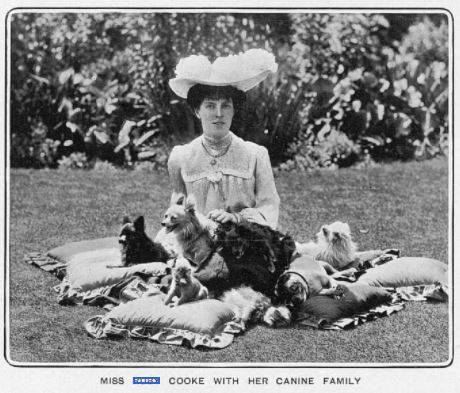
“Miss Cooke is very much fonder of country than town life, and one of her pet pastimes is photography; in fact, Lady Cooke herself as well as her boy and girl are all very clever at photography and take beautiful pictures as may be seen by the examples given on this page. Another hobby of Miss Cooke’s is that of Florentine embroidery, in which art she learnt some hundred patterns and stitches when she was abroad. Literature has also had some attraction for this busy little lady, and as a wee girlie she edited a child’s magazine. Miss Cooke was also most successful in many children’s competitions in various papers.
Her own little den or study – always gay, sweet, and fragrant with flowers – is full of distinctive personality, and contains animals, china and otherwise, of every breed and description – long-legged cats and grotesque dogs, monkeys, fish and frogs, creatures ad infinitum. There are relics, too, of the late Boer War and articles made by the prisoners. There are also hundreds of souvenirs of foreign towns and countries which the family have visited from time to time, and these commingle with gifts from friends travelled in India, Japan, Africa, and America. By the bye, she is a capable musician and plays the mandoline, banjo, and guitar; and not the least enjoyable of her many distracting and time-filling hobbies is that of making dainty sweets which meet with much appreciation in the family.
Another of Miss Cooke’s treasured possessions is a pretty little pony turn-out, but although at one time devoted to driving she rarely takes the leisure to do so now, and so the pony is getting fat and – shall we say? – lazy.”
If marriage was the plan then, despite the Tatler’s sales pitch, it didn’t work – Ruby never married.

My personal belief is that the above could be partly true but that Blanche and Ruby also moved out of Wheatley Hall to make room for the new Lady of the Manor. Blanche’s son, the new Sir William, married Lady Mildred Dennison, the youngest daughter of the late Earl of Londesborough, in July 1902. It is likely this would have been planned for some time so maybe Blanche and Ruby took the opportunity to move out a year earlier.

Whatever the case, it seems that Reading was always destined to be a temporary measure – Lady Blanche didn’t buy a property but took out a lease instead. Their move obviously involved downscaling from Wheatley Hall but their new abode, East Thorpe, seemed more than adequate for the two of them and the life they led. East Thorpe was a house and stable block on Redlands Road which had been commissioned by Alfred Palmer (of Huntley and Palmers biscuit fame) and designed as an ‘up-market’ home by the fashionable Victorian architect Alfred Waterhouse. Shortly after Blanche and Ruby left about ten years later Palmer gifted the house to the University of Reading to become St Andrews Hall, residential accommodation for female students. A hundred years later it was converted to the Museum of English Rural Life.
The English Country Garden
The period in Reading started to bring out some of Blanche and Ruby’s interests. East Thorpe had large gardens and hothouses which encouraged Blanche to take an interest in the local horticultural scene. By 1908 Blanche, Lady Cooke, was triumphing as the Berkshire Chronicle of 14th November described:
“As the Reading Chrysanthemum Show ages, it loses not a whit either of its excellence as a floral display or of its power of attracting the public year after year ….. There were three entries of smaller groups, and here again the blooms were of great merit. Lady Cooke, East Thorpe, Reading, obtained the first place chiefly on the excellence of the blooms, for in the three groups there was not any great distinction in arrangement, though Lady Cooke’s gardener had paid more attention than the others to the blending of colour. By her success Lady Cooke becomes the holder for the next twelve months of the S. B. Joel challenge cup.”
She repeated her success (or her gardener’s?) and went even further the following year as the Reading Observer of 28th August 1909 commented on that year’s annual show of the Reading Horticultural Society:
“The show itself was an excellent one, and there were one or two new features of exceptional interest. The principal prize, a challenge bowl and medal, for large groups, was annexed by Lady Cooke with one of the prettiest and most grateful groups set up at the show for some time. Her gardener, Mr. Wynn, is to be congratulated ….. Lady Cooke’s pelargoniums, which took first prize, were splendidly grown.”
She also won first prizes for her melons and cucumbers. She had obviously taken the show by storm; perhaps she knew it would be her last year because several months later they left Reading and all her prize-winning plants were up for auction as the Berkshire Chronicle of 20th October 1909 announced:
“HEELAS, SONS AND CO. LTD. Are favoured with instructions from Lady Cooke, who is leaving the town, to Sell by Auction the SURPLUS FURNITURE AND OUTDOOR EFFECTS, together with the Carriages, which include a SUPERIOR BROUGHAM, VICTORIA, with rubber tyres, PONY TRAP AND DOG CART; also Pony Harness, Gentleman’s Saddle, 2 blade Chaff Cutter, etc. The Garden Effects include ladders, Water carriers, Lawn Sprinklers, SUTTON’S PONY MOWER 26ins., Double Cylinder Garden Roller, 3 light double Span Frame, 3 light Frame, together with a large number of HOTHOUSE AND OTHER PLANTS including 250 Exhibition Prize Strain Chrysanthemums, Begonias, Zonals, Salvias, Carnations, Lillies, etc.”
Dog Days

Perhaps more significant than horticulture though was Blanche and Ruby’s entry into the world of dog shows. Judging by the amount of publicity in the press of the day dog shows seemed to be one of the up-and-coming fashionable events of the time. The earliest reference that I can find to their interest is in the Exeter and Plymouth Gazette of 28th April 1904 which reported on the third annual show of the Torquay and Devon Canine Association which boasted 700 entries and in which Ruby was awarded 2nd place in the class of the brown or sable Pomeranians.
A couple of months later she attended the Surrey County Canine Association show at Redhill when the Surrey Mirror and County Post of July 15th reported in almost a full-page spread:
“The entries numbered about the same as last year, and as £500 was distributed in prizes, all who took part must have been pleased with the result – even those who were not fortunate in gaining the covetted cards. The exhibitors numbered 230, and many of them entered in five or six classes. Quite 75 per cent. of them were prize winners or were mentioned, which is a good indication that the competition all round was keen.”
Ruby (aka Miss R B Cooke) was highly commended in two classes – Class 118 ‘Any variety under 10lbs’ and the curious Class 119 ‘Any variety the property of a lady’. Although it may not have been prize-winning for Ruby it did lead to that article in the Tatler quoted earlier. Here’s a little more from that article, with some wonderfully grandiose turns of phrase and insight into doggy psychology:
“Lady Cooke of Easthorpe, Reading, and her daughter, Ruby, have been dog-lovers for many years, but only recently have the allurements of the fashionable canine competitions induced them to show their dogs. That Lady Cooke should be an animal lover is not remarkable as all her family – the Feildens of military fame – have been humanitarians to the speechless race, and that Miss Cooke shares in this taste is only natural where heredity is such a strong factor.

Being true animal-lovers the regard of Lady Cooke and her daughter is very cosmopolitan and their pets at various times have included almost every breed of large and small dog, from the sporting retriever down to a tiny griffon appropriately named the Mighty Atom, and whose full-grown weight is within 2½ lbs. The canine chatelaine of Easthorpe is a five-year-old pug, a daughter of the magnificent champion, Earl of Prestbury, who recently died full of honours. Queenie, as Miss Ruby calls her, is minus an eye, which she lost through her pugnacious tendencies …..
Very sensibly the dogs live out of doors at Easthorpe but are made free of the house. Each dog revels in its own basket, and so strong are its feelings of proprietary rights that each one has annexed his own drawing-room lounge, and rarely indeed do these canines allow any usurpation of their chairs. Man or woman may intrude on their rights, but dog or cat never. The ownership of individual articles has been taught them very thoroughly and they quite understand the law of meum and tuum, for each dog has its own plate, its own tablecloth, its own india-rubber ball ….. “
By 1907 Blanche and Ruby were a recognised feature of the dog show circuit as the Western Morning News of 9th May 1907 reported:
“FANCIERS OF THE WEST. Although Reading cannot be said to form part of the Westcountry, Lady and Miss Ruby Cooke, who reside at East Thorpe in that town, are so well known as successful exhibitors at Westcountry shows that they are fairly entitled to occupy a prominent place (as) ‘Fanciers of the West’ in the portrait gallery of The Illustrated Western Weekly News. Portraits of these two ladies and of several of their (pet) dogs – Griffon Bruxelles and toy Pomeranians – are reproduced, therefore, in this week’s issue of that paper with an interesting record of their career as fanciers. Lady Cooke’s first start on the show bench (commenced) in 1904; Griffons were her choice, and have remained so up to the present time. She has been a prolific prizewinner since then, and will exhibit in several classes at the Torquay show next week. Her daughter, Miss Ruby Cooke, is a lover of the (Pomeranian) variety with which she has also won many prizes and this lady, also, will be represented at the forthcoming Torquay show.”
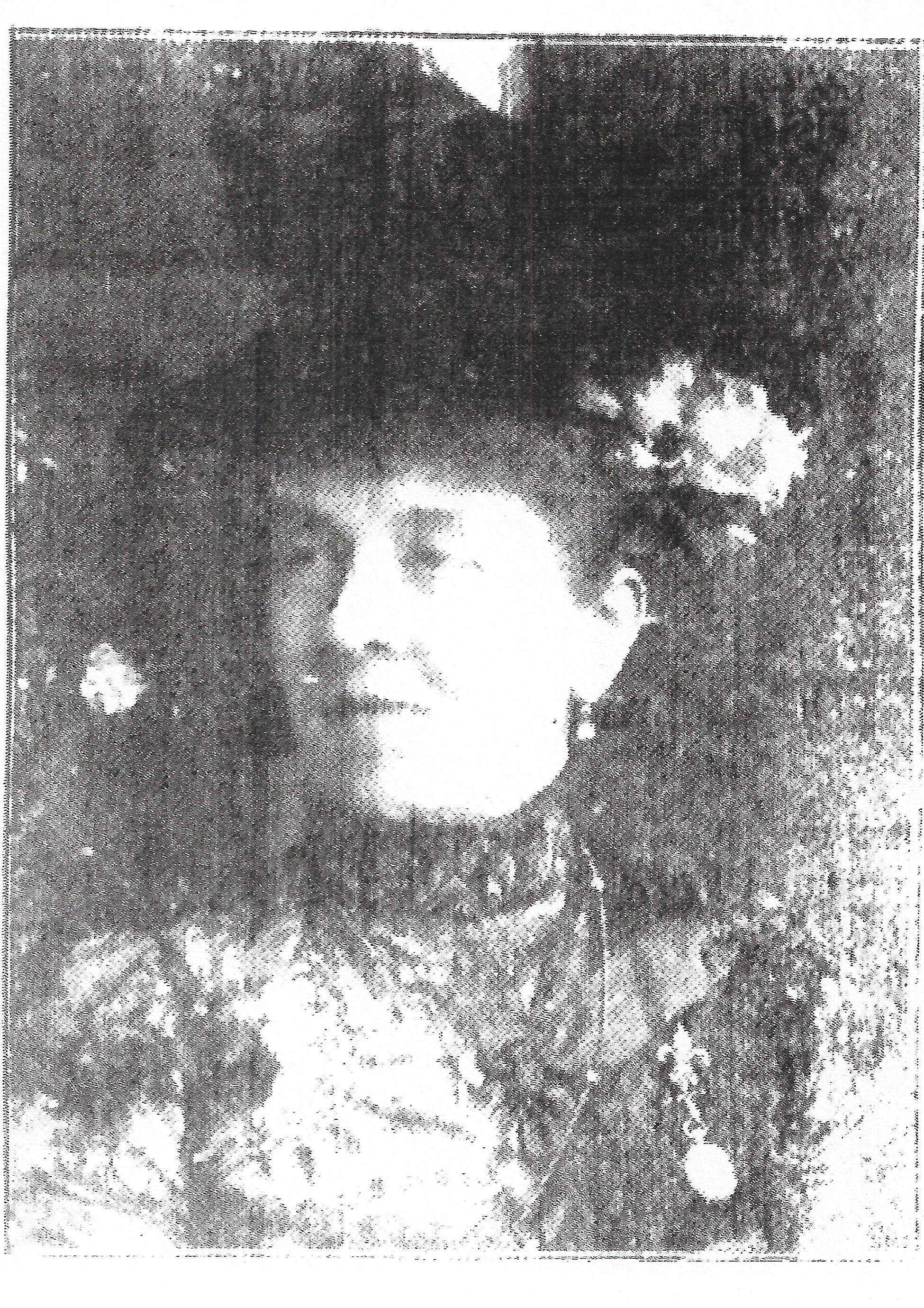

Blanche and Ruby 1907 – from Illustrated Western Weekly News, courtesy of the South West Heritage Centre
After almost ten years in Reading they were ready for their next move.
Teignmouth, the War and Beyond
The Western Times of 18th February 1910 reported:
“Blanche, Lady Cooke, and Miss Cooke have arrived at their new residence, East Cliffe, Teignmouth, S. Devon”
(As a complete aside the paper reported on the same day that Sir Ernest Shackleton delivered, at Torquay, his lecture on his dash to the South Pole!).
Settling in

The usual question arises of why they moved to Teignmouth and the answer, as usual, is unclear. Blanche was 66 by this time so might it have been related to health and the belief that Teignmouth was more conducive to a healthy life-style, a relic of its earlier Victorian reputation. Ruby was 31 and still unmarried – had she given up hope? It seems that this move was planned to be permanent since they bought, rather than leased, their new residence (thanks to Lin Watson from the Teign Heritage Centre for confirming the ownership) and East Cliffe was quite a substantial house, almost a mansion. East Cliffe and its acre or so of gardens has long since disappeared, replaced now by a car park.
Their interest in dog shows continued, with plenty of opportunity for exhibiting in the growing number of local events – Torquay, Weston-super-Mare, Bath, Newton Abbot, Exmouth, Exeter and as far afield as London for the shows of the Ladies Kennel Association and the Brussels Griffon Club.
As would be expected Blanche’s status inevitably drew her into lending her support to local activities as well. She was part of Teignmouth’s first ever summer carnival as the Western Times of 22nd August 1913 reported:
“A new departure in the public attractions of Teignmouth took place yesterday, when the first Teignmouth and district summer carnival was held. The townspeople have evinced a keen interest in the event, and the support all round has been very gratifying ….. The procession … assembled in Coombe-road, afterwards parading the principal thoroughfares of the town to the Den where the prizes were distributed ….. The hon. judges were Lady Cooke, Mrs Barklie, Mrs. W. J. Harris, Miss Cooke, Mrs. Tinline, Mrs. Marshall, and Mrs. F. E. Little.”
Four months later, as reported by the Exeter and Plymouth Gazette of 18th December 1913, she made her house available for a meeting of the clergy:
“THE BISHOP AT TEIGNMOUTH. A drawing-room meeting in aid of the Exeter Diocesan Clergy Fund was held at Eastcliff, Teignmouth, yesterday, by kind permission of Lady Cooke. The chair was taken by the Rev. J. Veysey, Vicar of East Teignmouth, and the chief speakers were the Bishop of Exeter and Sir Ernest Satow ….. Lady Cooke kindly entertained the audience after the meeting.”
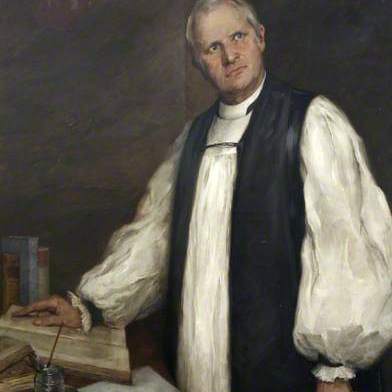

Archibald Robertson, Bishop of Exeter (attribution Miss A Robertson) and Sir Ernest Satow
The Dogs of War
Then the war came. Dog shows ended and the focus shifted to supporting the troops. Both Blanche and Ruby became members of the local Voluntary Aid Detachment (VAD) organised nationally through the British Red Cross. The local detachment was known as work party 1542; Blanche’s duties were “War Needlework of all kinds” whilst Ruby was charged with “Secretarial and all Writing Work”. The details of the local VAD are well-documented on the web-site of the Teign Heritage Centre so I won’t repeat that detail here; but I will pick out instead other references to the contributions which Blanche and Ruby made.

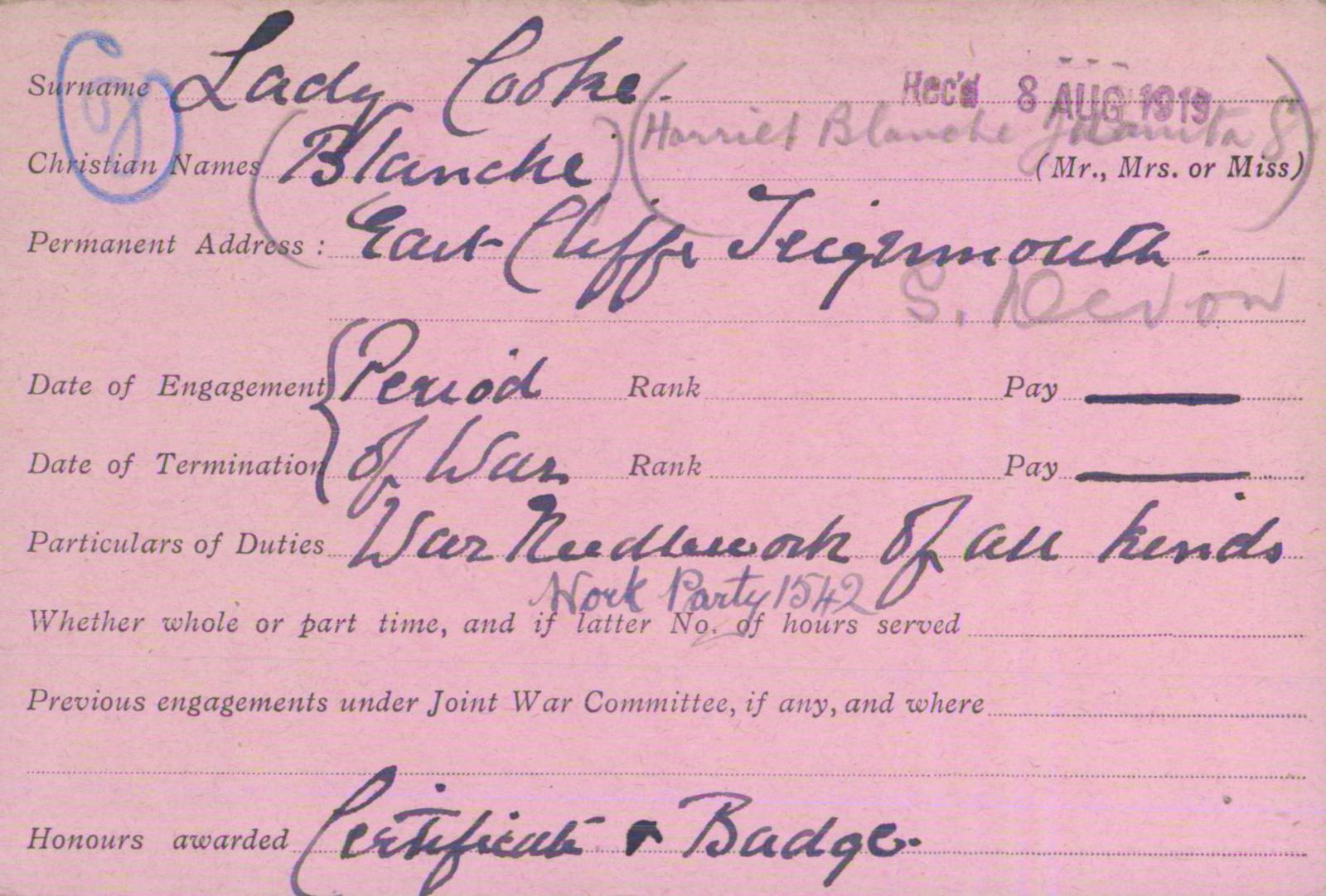
There were direct financial contributions to the ‘Devonshire Patriotic Fund’. The Devonian Yearbook of 1916 explained that:
“The object of the fund is to give assistance in case of need to the wives, families, and other dependent relatives of Sailors and Soldiers (Regulars and Territorials) belonging to the County, and to aid in the care of the sick and wounded. In addition to providing monetary assistance in these cases, the Fund is being utilised to purchase materials for the use of the numerous ladies’ working parties which have been formed to make hospital garments and clothing comforts for the troops.”
Names of subscribers and how much they contributed were published in the local press!
Money was also raised through sales. Here is an example from the Western Times of 10th November 1915:
“THE TREASURE SALE
– Valuable Gifts From the ‘Orient’
– EXETER’S RED CROSS EFFORT.
The Devon and Exeter Red Cross Treasure Sale is going to be one of those big successes which will be talked about after it is over; but to really make sure of this being the case it is essentially necessary that it should be much talked about before it takes place ….. Everyone should, therefore, act as a canvasser, and let the pass-word be ….. ‘What have you given?’ Everything which can be spared is useful; and that which cannot be spared, if given in the truest sense of self-sacrifice, will be doubly valued ….. Amongst the many contributors of gifts yesterday were: Sir Ernest Cable, engravings and bronzes; Lady Cooke, Teignmouth, two gilt and brocade chairs and Rosewood desk ….. “
And money was raised through exhibitions, as the Western Times of 31st August 1917 illustrates:
“Exhibitions and Competitions Held at Teignmouth. Yesterday, at Lloyds old bank premises, Station-road, Teignmouth, the work done by the Women’s War Work Depot was on view. In addition, the fancy articles made by the members were on sale for the funds. Some most surprising things, made from pieces of lace and cloth discarded, were shown, and the work was greatly admired by the large number of visitors that attended during the day. Blanche Lady Cooke opened the exhibition and announced that a cushion, given by the Misses Fox, had realised 7s 6d ….. The work done by the Depot was displayed on stalls, which were presided over by ….. , Miss Ruby Cooke and Masters Gerald and Peter Stayner (sixpenny antique stall) ….. Lady Cooke arranged a dog weight judging competition …..”
Blanche and Ruby also made gifts directly to the cause. Here is another example from the Western Times of 10th June 1916:
“During the past week the Teignmouth Ladies’ Working party has despatched parcels to the British Red Cross Society, Hazebrouch Clearing Station, and some sandbags. Gifts have been received from the Congregational Church Working Party, Lady Cooke, Mrs Harris, Mrs. Little, Miss R. Cooke and Miss Marshal.”
Towards the end of the war Blanche came up against the ‘Teignmouth Tribunal’. On 10 February 1916, the Military Service Act (MSA) came into force introducing conscription in England and Wales; appeals against conscription were dealt with by local tribunals which were regularly publicised in the local press. The Western Times of 2nd August 1918 described one such encounter:
“TEIGNMOUTH TRIBUNAL. There were twelve cases down for hearing of Teignmouth Tribunal Wednesday, Mr. W. B. Harris presiding ……, Lady Cooke, Eastcliff, applied for exemption for her gardener, William Lock, 46, Grade 2. It was stated that all the flower beds had been utilised for growing vegetables, the ground under cultivation being over an acre, which was cropped with potatoes and onions. What was not consumed in the house was given away to poor people. Mr. Lock said he went before the Agricultural War Committee and had been refused a voucher because he did not assist farmers. He was quite willing to do that. – 1st November on condition that he assists farmers when required.”
The Women’s War Work Depot in Teignmouth continued through to May 1919. Blanche then organised a special event to mark its closure, as reported in the Western Times of 16th May 1919:
“The Closing Down of the Women’s War Work Depot. To mark the closing of the Teignmouth Women’s War Work Depot, the subscribers and members were yesterday afternoon invited to an ‘At Home’ by Lady Cooke at Eastcliff. The weather was ideal, and about 60 ladies accepted the invitation. Assembling in the spacious hall, Lady Cooke said she had been requested by the members of the Depot to make a presentation to Mrs. Hewlett J. Stayner of a silver rose bowl in recognition of her valuable services as treasurer and manageress for the past four years, and also as a token of their gratitude and affection for the energy, tact, and patience she had shown. On behalf of Miss Ruby Cooke, her ladyship also handed Mrs. Stayner ‘a very modest little book’ containing the autographs of all the members and donors.
….. Miss S. Medland was also presented with a watch bracelet and a framed list of subscribers …… A brooch was also handed Miss Ruby Cooke by Mrs. Stayner for her faithful services as secretary. Lady Cooke remarked that all the presentations were quite unofficial, and had nothing to do with the Government, being purely gifts of affection from the grateful members of the Depot. Lady Cooke and Miss Ruby Cooke were cordially thanked by Mrs. Stayner for arranging such a successful gathering. The party, after inspecting the beautiful grounds and greenhouses which were ablaze with the flowers of spring, were entertained to tea.”
Blanche’s comment that the presentations were “nothing to do with the government” is curious, but there had been some official recognition earlier for their efforts, as reported in the Western Times of 15th February 1917:
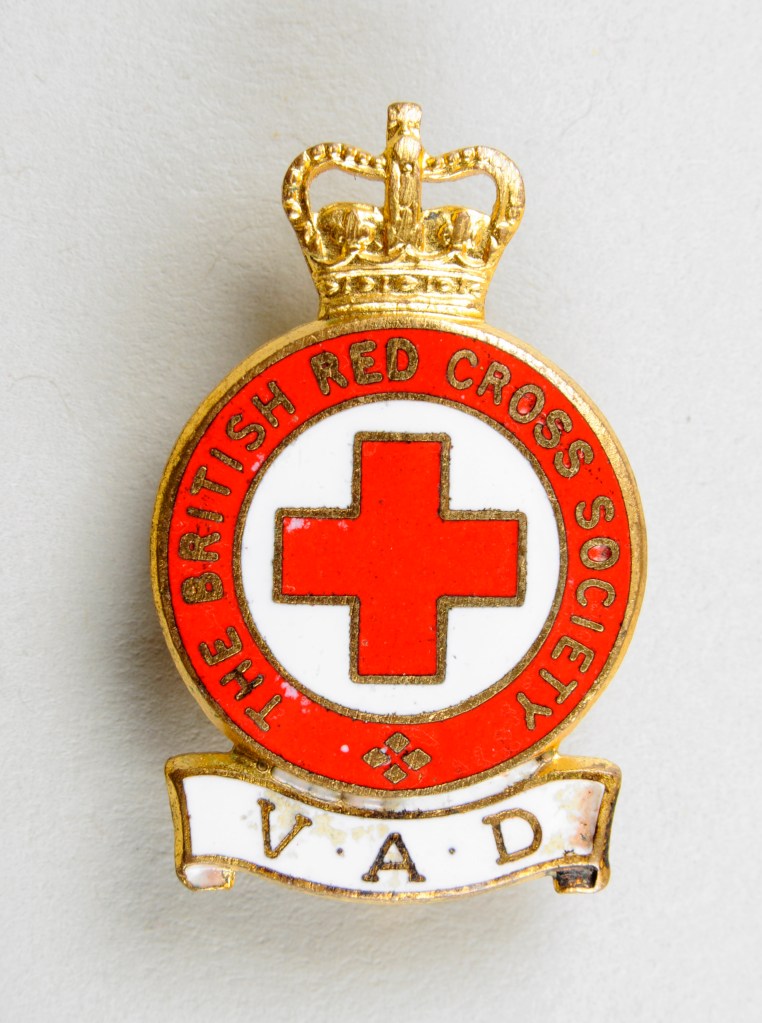
“The Teignmouth Women’s War Work Depot has applied for and received certificates from the British Red Cross Society for workers who have consistently given their services to the Depot. Miss Medland has made 252 pairs of slippers for wounded soldiers; Mrs. Rowbotham for the whole year has made 10 sand-bags a week and 12 washing swabs ….. Valuable help has also been given by Miss Teschemaker, Miss L. Sandeman, ….. , Blanche Lady Cooke, Miss Ruby Cooke …..”
The Aftermath
So the war ended but life was never the same again and from then on there was little mention of Blanche and Ruby in the press. The dog shows were no more; attendance at balls seemed non-existent, with the exception of the Devon County Christmas Ball of 1921. It seems that Blanche and Ruby simply settled down to a quiet life in this small seaside resort, with East Cliffe being used for the occasional fete, especially in connection with St. Michael’s Church and its missionary work.
On February 26th 1930 news reached Doncaster that Blanche, Lady Cooke, widow of the late Sir William Cooke, Bart., of Wheatley, Doncaster had died suddenly at East Cliffe, Teignmouth two days earlier. Details of her funeral appeared in the Exeter and Plymouth Gazette of 1st March 1930:
“The funeral has taken place at Teignmouth of Blanche Lady Cooke, of East Cliffe, widow of Sir William Cooke, Bart., of Wheatley, Doncaster. Deceased died somewhat suddenly on Monday at East Cliffe, where she had resided for many years with her daughter, Miss Ruby Cooke. She was 83. The service at St. Michael’s Church, East Teignmouth, was conducted by the Vicar, (the Rev. W. T. Trelawney-Ross), who was assisted by Canon Mitchell, the Revs. S. Gregory and R. Matthews. The mourners were Sir William Cooke (son), Admiral Sir Richard Peirse (nephew), Capt. And Mrs. D’Arcy Gray (nephew and niece) and Mrs. Brooks (cousin).
There were also present Capt. W. C. Plenderleath, R.N., ….. Miss Holland and Mrs Hexter (staff at East Cliffe).
This takes us full circle to Blanche’s grave in Teignmouth Old Cemetery – a simple grave, with a cross laid flat and no mention of her aristocratic heritage.
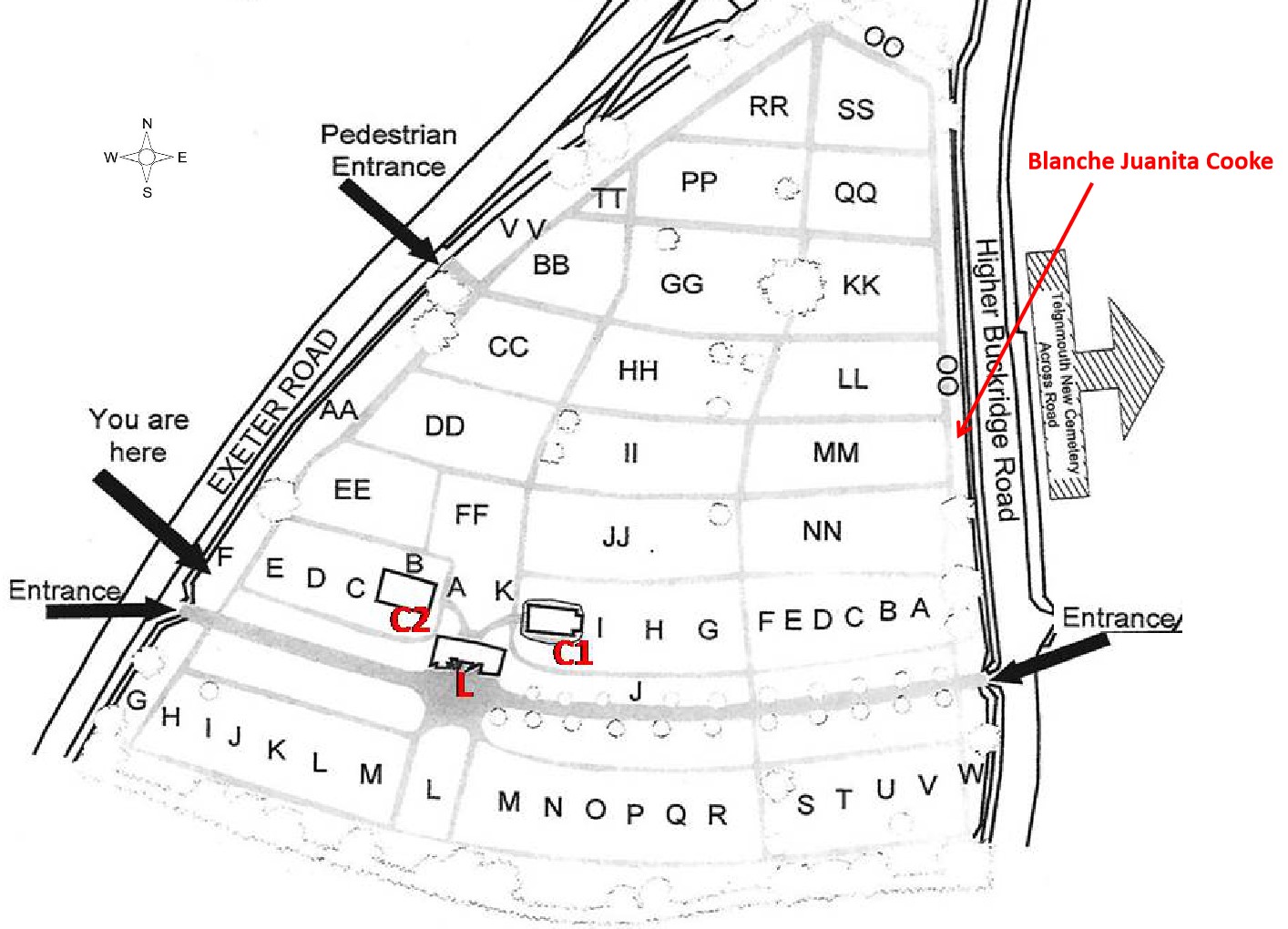
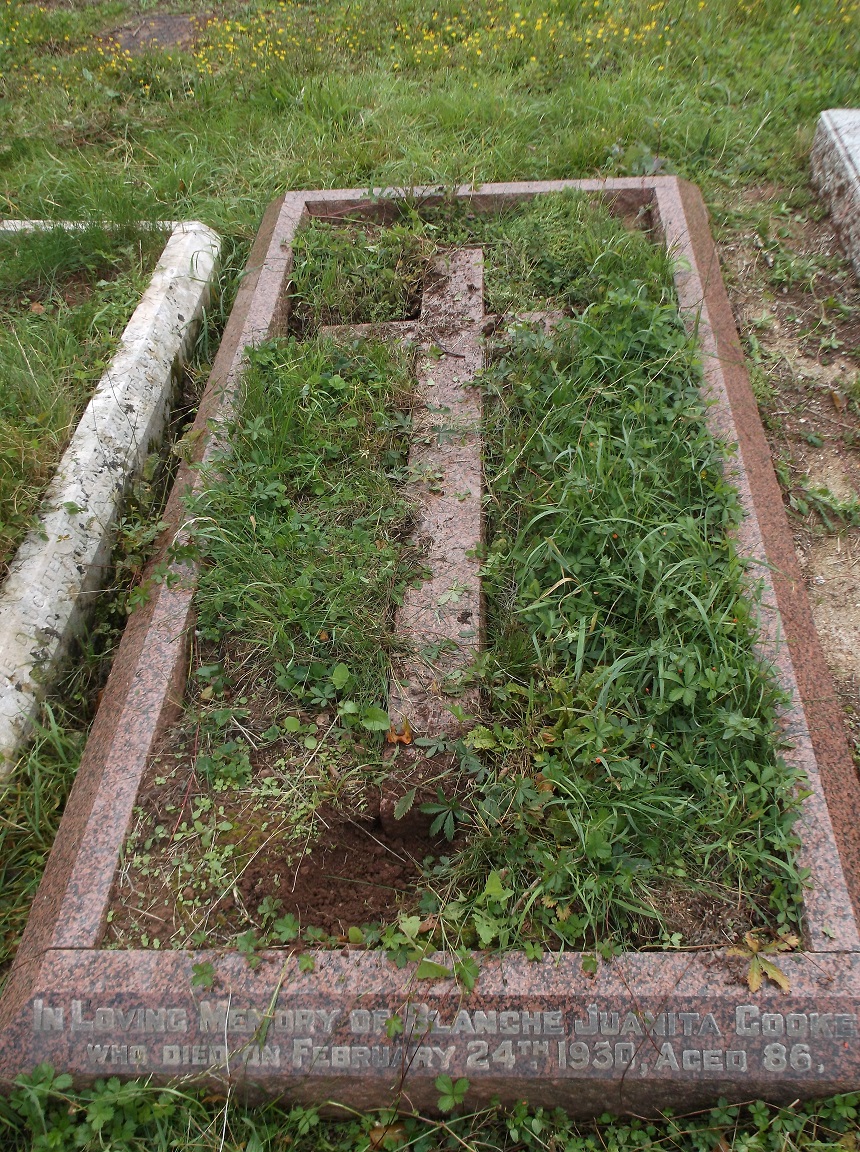
Grave Location of Lady Blanche Harriette Juanita Georgiana Cooke
Ruby died some 20 years later on 22nd July 1950 and was laid to rest next to her mother in an identical simple grave. I can find no further references to Ruby for the period between her mother’s death and her own demise. She has always seemed a somewhat enigmatic character, the article in the Tatler being the fullest account I could find of what her life might have been like, almost living in the shadow of her mother. Why did she never marry? Her death left its own mystery though.
The Exeter and Plymouth Gazette of 8th December 1950 reported on her Will:
“Miss Ruby Blanche Juanita Cooke of East Cliffe Gardens, Dawlish Road, Teignmouth, left £25,972 16s 6d gross (n.p. £25,820 11s 9d; duty paid £4582). She left £2,000, certain effects, and her freehold cottage, East Cliffe Gardens, to Noreen P. Summers.”
So, who was Noreen P. Summers who gained this not inconsiderable inheritance? House-keeper? Ladies Companion? Friend? She was 46 at the time and single but she married a Frederick Gardner about 18 months later. She died in 1969 and was living at Blakesley, Barnpark Road, Teignmouth at that time. Her husband died about three years later and they are both buried in the same plot in Teignmouth Old Cemetery.
Acknowledgements
In what has turned out to be a much longer story than anticipated I am very grateful for the help received from:
- Alison Vainlo, who put together and maintains the Arksey Village History site, for the information I was able to glean from that site and for allowing me to share various photographs;
- Lin Watson, from the Teign Heritage Centre, for researching the provenance of East Cliffe to confirm the actual residence that Blanche and Ruby live in here in Teignmouth (there were confusing and contradictory reports and references);
- Margaret Boustead, Head of Archives & Records Management at North Yorkshire County Record Office, for use of the Spa Band photograph
- Tacy Rickard (now sadly deceased) for information on East Cliffe she had shared with me several years ago
Sources and References
There are, as usual, a few loose ends after these references which might be of interest. Otherwise extracts from contemporary newspapers are referenced directly in the text and are derived from British Newspaper Archives. Ancestry.com has been used for genealogy and Wikipedia for general background information and to get research lines started.
Other sources, with hyperlinks as appropriate, are as follows:
- Arksey Village history – the Cooke dynasty
- Peerage records – specific genealogy records for Blanche and Ruby
- Debretts – specific genealogy records for Blanche and Ruby
- Teign Heritage Centre – VAD and WW1 details
- Red Cross – VAD records
- Finders Cafe Archives – general information on Cookes
- Reading University – details of East Thorpe residence in Reading
- AND – Reading University 2
- Historic Environment Scotland – Blanche’s family home, Wemyss Hall
- Old and New London: Volume 4, pages 291-314 . Originally published by Cassell, Petter & Galpin, London, 1878 – Details of Longs Hotel
- North Yorkshire Archives – picture of the Spa Band
- Music at Scarborough, article by Stuart Scott – background to the Spa Band
Loose Ends
- The Estate. When Sir William Cooke died he left about £32,000 to Blanche. When Blanche died her estate amounted to £2,732 and Ruby subsequently left about £26,000, so the numbers don’t appear to tally. Perhaps Blanche had set money aside in Trust for her children which wasn’t subject to the estate, or perhaps there were changes in the way in which property was treated. It seems quite likely though that after her mother’s death Ruby moved into the cottage that had once been the gardener’s cottage – East Cliffe Gardens so she would have realised her capital. There is certainly evidence that East Cliffe was converted into the Overcliff Hotel in the 1940s.
- Blanche’s son’s marriage was not to last. On 24th November 1924 Lady Mildred Adelaide Cecilia Cooke was granted a decree nisi on the grounds of the misconduct of her husband Sir William Henry Charles Wemyss Cooke. Lady Cooke said their marriage had been a happy one until 1914 when her husband started associating with another woman, and another in 1916 after he had been invalided out of the army and another in 1920 which proved the final straw. Quite a philanderer.
- Blanche and Ruby would regularly visit Bath once or twice a year for a week or two each time. There must have been regular events there because the Arrivals lists for those weeks were packed with aristocracy, but I haven’t found out yet what they could have been.
- Blanche’s brother, Henry Wemyss Feilden, having embarked on a military career was also known as an arctic explorer and naturalist. He was a member of the Royal Geographic Society but was turned down for the Royal Society. He took part in the Sir George Nares’ Polar Expedition of 1875-6 on board HMS Alert, the ship previously commanded by Admiral Rombulow Pearse who, of course, is also buried in Teignmouth Old Cemetery. It’s definitely a small world.
- William Lock, Blanche’s gardener whom she defended at the Teignmouth Tribunal, died in 1956 aged about 83 and is also buried in Teignmouth Old Cemetery. He shares the same grave as his wife, Mary Lock, who preceded him by six years. Mary was also a part of the household at East Cliffe whose address during the war was shown as East Cliffe Gardens – I presume this was the name of the cottage in the grounds of East Cliffe (now the ‘Old Cottage’ {?} at the top of Mere lane). Mary also belonged to the VAD during the war, on knitting duty.
- Staffing. From 1891 to 1894 there seems to have been a significant turnover in staff at Wheatley Hall and recruitment of new staff was evidently one of Blanche’s responsibilities. Reading about this activity raised a couple of curious observations: parlour maids were often required to be tall; and the same requirement was also made of footmen – so much so that a footman’s wages were related to his height!
 Teignmouth Old Cemetery
Well done Neil
a huge piece of work….i enjoyed it very much.
when Eastcliffe became a hotel in the 1940s (I think) it was run by the Turpin Family.
A friend of mine married into that family and worked there running the place with her In Laws. She is elderly and in poor health but I will try to let her know about the Teignmouth end of your excellent research.
Regards
Viv
________________________________
LikeLike
Thanks Viv. You may be able to solve another little mystery. The Hexters. Seems to have been a well-known name in Teignmouth. There was a Hilda and Frank Hexter still working for Ruby at East Cliffe in 1939 but, although there are a lot of Hexters buried in the Old Cemetery, Frank and Hilda aren’t among them. With you local knowledge would you know what might have happened to them? All the best, Neil
LikeLike
When I was approached for photos and information for this article I had no idea it would be so huge, and so impressive too! A very accomplished piece of writing and so informative, I have learned much about these two ladies that I didn’t know. Thank you for inviting me to be involved in such a worthy project. Excellent read.
Regards
Alison Vainlo
LikeLike
Dear Committee
Would you please note the following changes to my contact details:
I have a new e-mail address being: gl100.white@gmail.com . The previous e-mail address is now closed.
My new address is: 32 Cours Georges Clemenceau, 33000, Bordeaux, France.
My mobile remains the same for the time being being: 00447710230383.
I am happy to receive anything by e-mail / internet to avoid any additional communication costs.
I am still committed to support you through my membership going forward.
Many thanks.
Kind regards
Graham White
>
LikeLike