The Friends of Teignmouth Cemetery are doing a tremendous job in clearing overgrown graves and making them more accessible. This helps relatives who are looking for ancestors. But it also keeps alive physical records of Teignmouth’s past as marked by the people buried there. Their stories can give new insights into local, national and evenContinue reading “Unearthing the Past – The Elliott Family”
Author Archives: Everyman
Last of a Line – Margaret Champernowne
Had Margaret been born male she probably wouldn’t have been buried in Teignmouth Old Cemetery. She would probably have been interred in the churchyard of the Dartington estate, Totnes. She would probably have had a memorial plaque in the church tower. Parliamentary history would have changed and who knows what else might have changed byContinue reading “Last of a Line – Margaret Champernowne”
Lewis Ball – The Low Comedian
Introduction When I first spotted a small announcement of the death of a ‘Comedian’ the immediate vision that conjured up was a clichéd one of someone treading the boards of Victorian Old Time Music Hall. It couldn’t have been further from the truth. Within days news of his death had spread across the whole countryContinue reading “Lewis Ball – The Low Comedian”
Another Snapshot of History
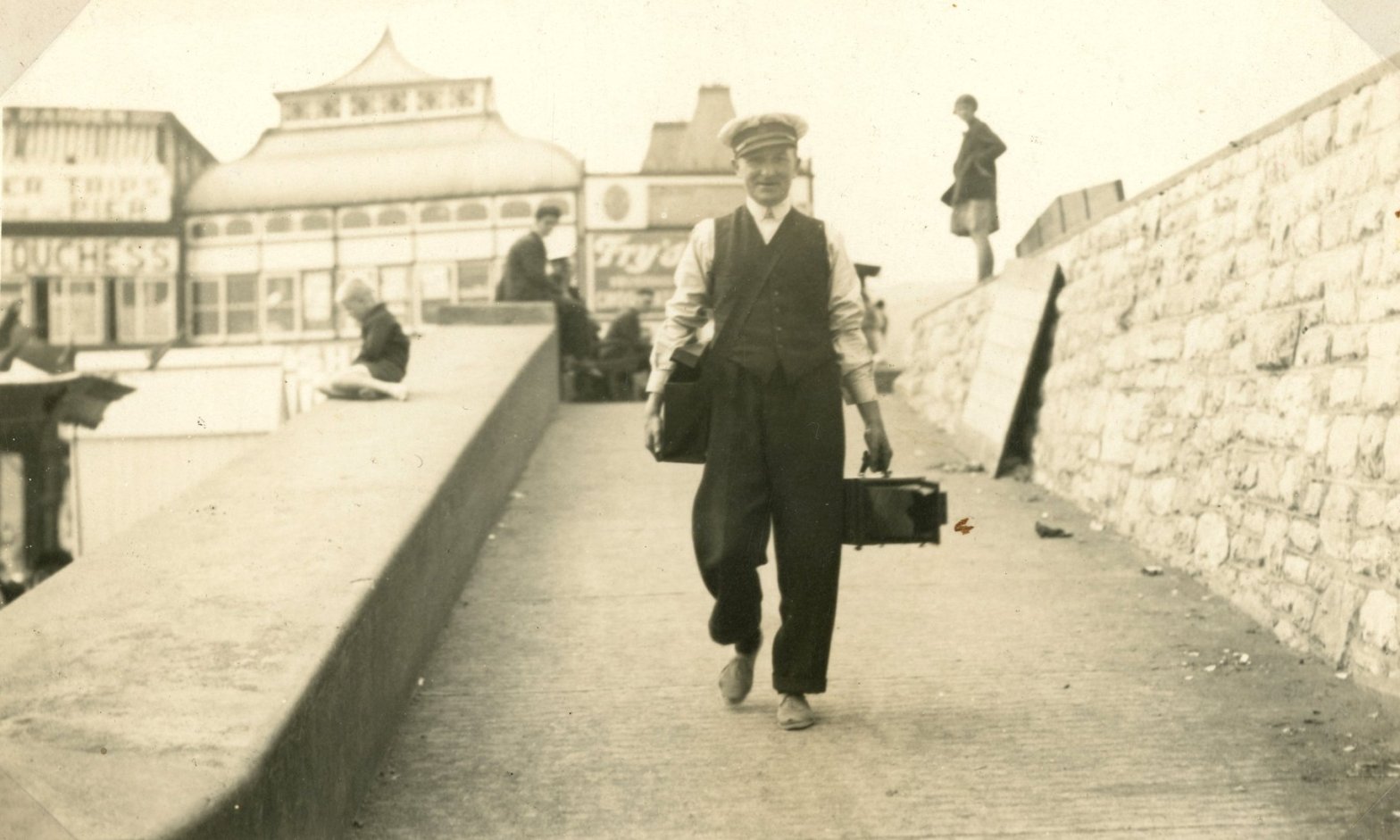
This is a much belated follow up to a post made almost two years ago. That was about Samuel Poole who pioneered commercial photography in Teignmouth and established his family business here around 1859. This lasted for almost 50 years during which time other Victorian photographers came and went. Photographic technology continued to evolve andContinue reading “Another Snapshot of History”
The Shadows Flee Away
Three friends faced tragedy at Teignmouth’s beach. Ignoring warnings, they bathed in a hazardous area, swept away by the strong sea. Two were rescued, but Robin Brown tragically drowned. The accident sparked debate on beach safety. The community mourned his loss, reflecting on his promising future and the need for greater awareness.
Death at Sea
The great storm of 1987 and the violent storms of 1886 left a lasting impact on the UK. The 1886 storm led to tragic consequences in Teignmouth, with boats and crew lost at sea. Walter George Horn Hooper, a fisherman, lost his life in the storm. His body, along with others, was found in a shocking condition, and the community mourned their loss. The storm’s impact on art is evident in works depicting the violent weather. These events continue to be remembered through historical accounts and artwork.
Death in the Docks
In 1894, Thomas Watt Linklater, a bosun on the Comorin cargo ship, met a tragic end at Teignmouth’s docks. Crushed between trucks while loading clay, he succumbed to his injuries despite medical aid. An inquest deemed it an accidental death, spotlighting the hazards of working conditions. Linklater’s epitaph, “Watch therefore, for ye know neither the day nor the hour,” serves as a haunting reminder.
Triumph and Tragedy
A few weeks ago Jacqui, one of the dedicated group of volunteers of Friends of Teignmouth Cemetery, discovered and uncovered a grave in section HH of the cemetery. Her first reaction was “There’s a story here”. That instinct was not wrong but she had under-estimated. There were three stories – people buried in different partsContinue reading “Triumph and Tragedy”
Shocking Traction Engine Accident
A couple of weeks ago Jacqui, one of the dedicated group of volunteers of Friends of Teignmouth Cemetery, discovered and uncovered a grave in section HH of the cemetery. Her first reaction was “There’s a story here”. That instinct was not wrong but she had under-estimated. There were three stories – people buried in differentContinue reading “Shocking Traction Engine Accident”
Caught In Flagrante
There have been some quirky stories associated with Teignmouth Old Cemetery such as: This latest story was inspired by a local Facebook post from the group “Dawlish History”. Setting the Scene As you walk along the main avenue of Teignmouth Old Cemetery from the Higher Buckeridge Road entrance you pass, on the left-hand side, sectionContinue reading “Caught In Flagrante”
 Teignmouth Old Cemetery